How to Aerate a Lawn by Hand (No Fancy Tools Needed)
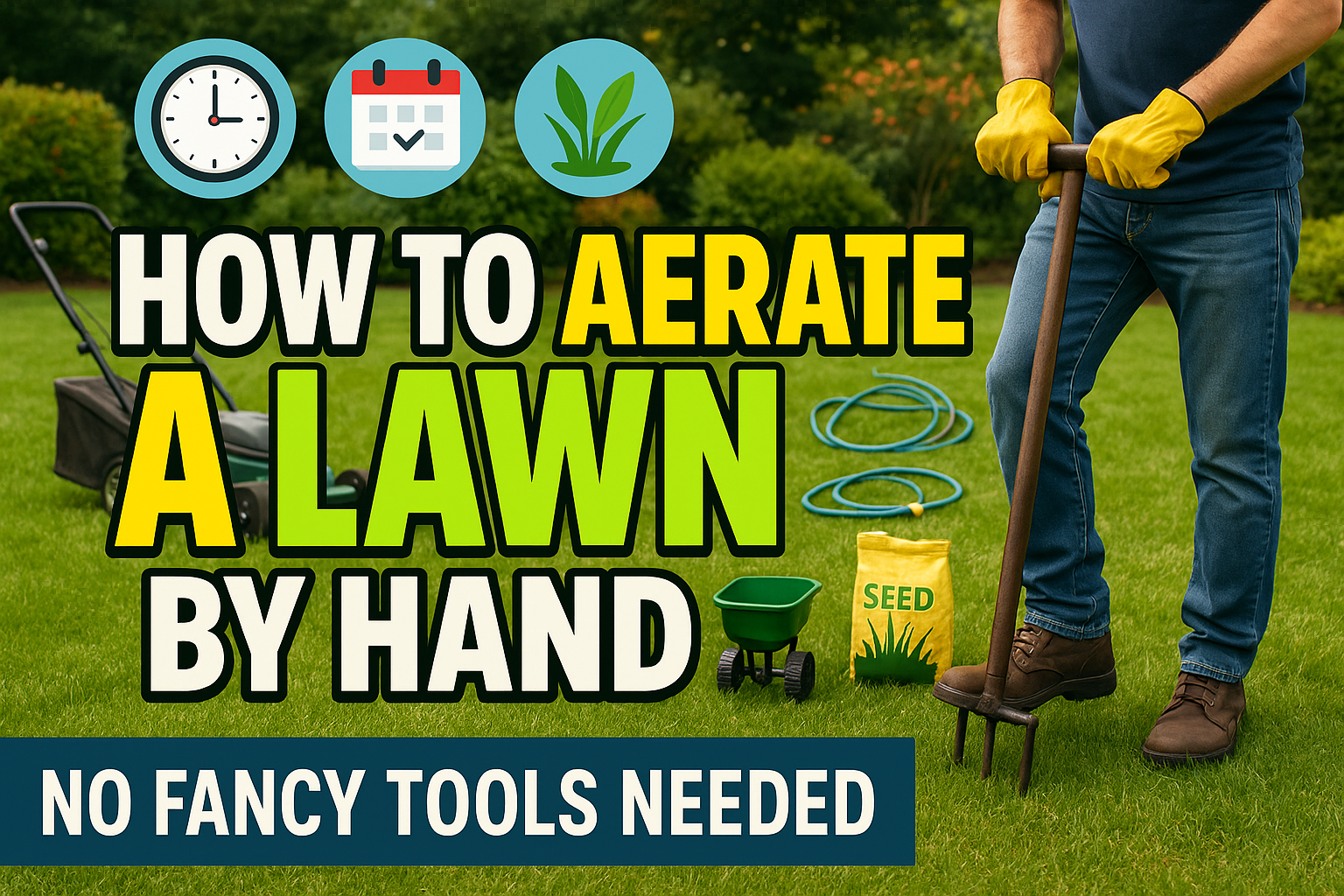
Learn how to aerate a lawn by hand using simple tools. This DIY guide will enhance your lawn's health and serve as a comprehensive lawn care resource.
Introduction to Lawn Aeration
Aeration is a fundamental lawn care process aimed at improving grass health. Specifically, aerating a lawn by hand involves perforating the soil to allow air, water, and nutrients to penetrate the grass roots effectively.
By relieving soil compaction, aeration encourages robust grass growth and root development. This blog focuses on DIY lawn care techniques homeowners can employ using simple tools, ensuring lawn vitality without the need for expensive machinery.
Why Aerating is Essential for Lawn Health
Aeration can significantly improve the overall health and aesthetics of your lawn. Many people may not be aware of the critical issues aeration can address:
- Soil Compaction: Over time, lawns can become compacted due to foot traffic, heavy machinery, or natural settling. This compaction hinders root growth and diminishes the grass's ability to absorb water and nutrients.
- Poor Drainage: Compacted soil leads to poor drainage, resulting in water pooling and increasing the risk of fungal diseases.
- Nutrient Absorption: When soil is aerated, it enhances its nutrient absorption capacity, allowing grass roots to thrive and maintain strength.
Research has shown that regular lawn aeration can lead to remarkable improvements in grass health, including increased drought resistance and a reduction in thatch buildup. Studies indicate that properties with regular aeration practice experience 30% more root growth on average.
Tools You Can Use at Home for Hand Aeration
Homeowners don’t need fancy tools to aerate a lawn effectively. Here are two common hand tools you can use:
Using a Garden Fork
A garden fork is an ideal tool for aerating small areas of lawn. Here’s how to do it:
- First, ensure the lawn is slightly moist, as this will make it easier to penetrate the soil.
- Firmly push the garden fork into the soil at 2-4 inch intervals, ensuring you reach a depth of 2-4 inches.
- As you pull the fork out, allow the holes to remain open instead of compacting the soil back down.
Using a Spade
If you cannot find a garden fork, a spade will also work. Follow these steps for effective aeration:
- Mark off sections of your lawn to aerate, focusing on the areas that show signs of stress or compaction.
- Cut into the soil at each marked section using the spade, turning over the soil slightly to create space for air.
- Avoid disturbing the surrounding healthy grass as much as possible to protect existing roots.
Using these handheld aeration tools not only saves cost but makes it easier to maintain a healthy, vibrant lawn without excessive investment.
Step-by-Step Hand Aeration Process
Now that you have your tools, let’s dive into the step-by-step process of finely aerating a lawn by hand:
- Step 1: Assess your lawn's health by identifying areas suffering from compaction or water pooling.
- Step 2: Check soil moisture; it should be damp but not soggy. If it's too dry, water lightly a day before aeration.
- Step 3: Use your garden fork or spade and start aerating by creating holes spaced 2-4 inches apart, reaching a depth of 2-4 inches.
- Step 4: Focus on high-traffic areas and any spots with visible problems.
- Step 5: After aeration is complete, consider overseeding or applying fertilizer to help improve grass health further.
Maintaining proper technique is crucial during aeration. With careful alignment of your tools, you can improve coverage and effectiveness. For visual learners, consider seeking video tutorials online regarding home aeration techniques.
Best Practices and Timing for Aeration
Timing your aeration is critical for achieving optimal results. Here are some best practices to consider:
- Soil Moisture: Aeration is most effective when the soil is slightly moist, allowing for easier penetration and minimal disruption. Avoid aerating when the soil is overly dry or waterlogged.
- Seasonal Timing: For cool-season grasses, spring or fall is ideal, while warm-season grasses benefit from aeration in late spring or early summer.
- Frequency: Typically, most lawns require aeration every 1-3 years, but monitor your lawn's health and adjust frequency based on specific needs.
Observing indicators like poor drainage, thinning grass, or excessive thatch can signal when it’s time to aerate again. Regular checks will ensure your lawn stays robust and appealing.
Common Mistakes to Avoid and Post-Aeration Care
While aeration carries numerous benefits, it's essential to avoid common mistakes:
Mistakes to Steer Clear Of
- Incorrect Timing: Aerating during the heat of summer can stress the grass even more.
- Over-Aeration: Too many holes can lead to soil disruption and negatively impact grass health.
- Ignoring Soil Conditions: Always aerate when your lawn's soil is appropriately moist to avoid complications.
Caring for Your Lawn Post-Aeration
Once you've completed aeration, it's essential to care for your lawn effectively. Here's what you should do:
- Water Regularly: Post-aeration, be sure to water your lawn adequately to help the soil recover and stimulate root growth.
- Fertilization: Consider applying a balanced fertilizer to provide nutrients that support grass recovery.
- Overseed: If your lawn has bare patches, overseeding after aeration can fill in those spots and promote healthy growth.
Establishing a routine lawn care schedule that incorporates aeration practice significantly enhances your lawn's health and appearance.
FAQ
Common inquiries regarding aerating a lawn often arise. Here are some frequently asked questions:
- What is the ideal frequency for aerating a lawn? Most lawns benefit from aeration every 1-3 years, depending on grass health and activity.
- How can I tell if my lawn needs aeration? Signs like compacted soil, standing water, and thinning grass are indicators it's time for aeration.
- Are there any specific types of grass that benefit more from aeration? Cool-season grasses like Kentucky bluegrass and warm-season strains like Bermuda grass greatly benefit from regular aeration.
- How do I maintain my lawn’s health after aeration? Focus on proper watering and fertilization to ensure recovery and growth after the aeration process.
With diligent attention to aerating your lawn by hand and following these tips, you can enhance grass health and maintain a vibrant outdoor space. Integrating handheld aeration tools into your lawn care routine is a manageable, cost-effective method to promote lush grass growth without breaking the bank.
Tags: Aerate a Lawn by Hand, DIY lawn care, lawn health, lawn aeration tips, improve grass growth