Diagnosing Dry Lawn Issues: A Reader's Case Study
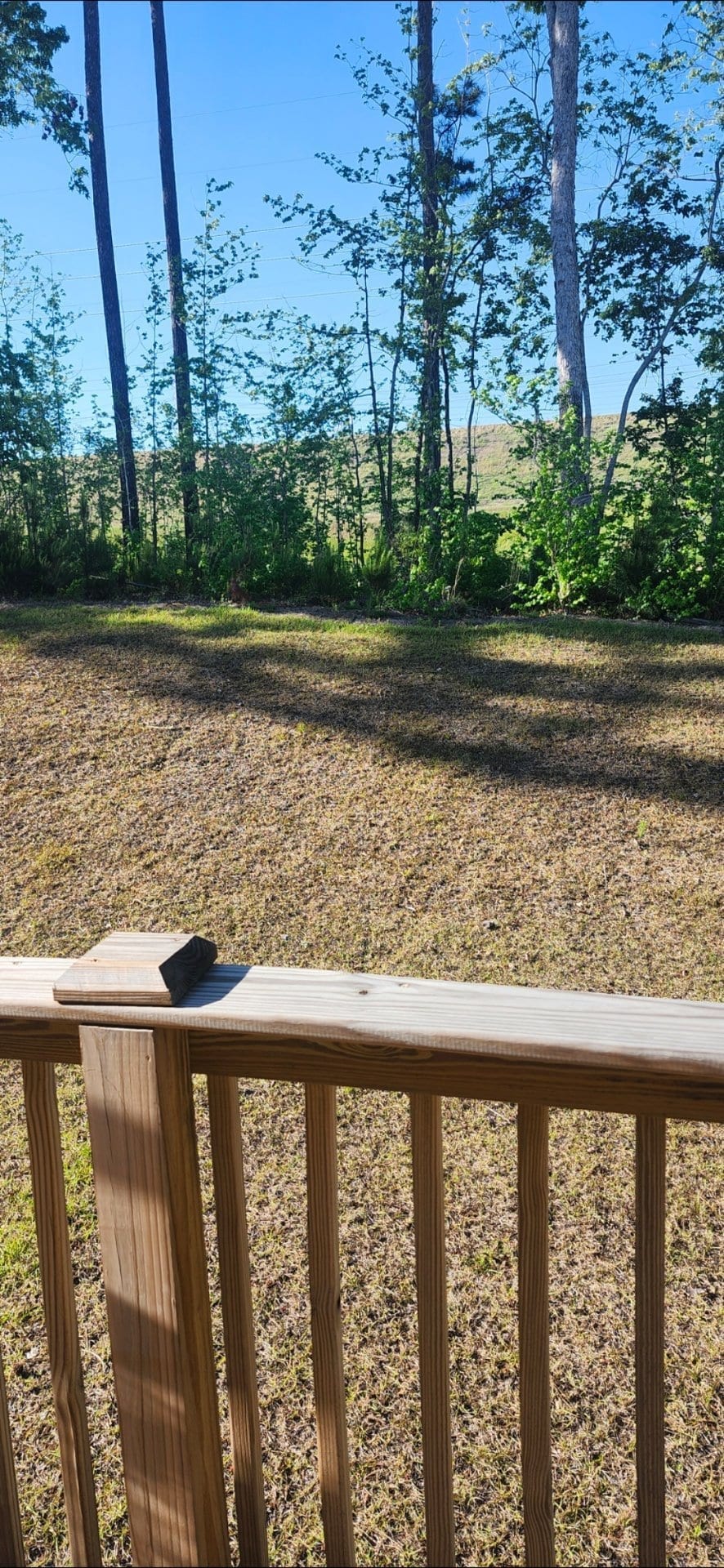
As spring unfolds, one reader faces a dry patch on a hill, marking a common yet solvable challenge in lawn care. With a systematic approach focusing on soil health and moisture management, recovery is achievable.
Case Study · Dry Lawn Diagnosis
Quick Verdict
Unknown lawn issue
Grass Type
Season
Spring
The Problem, In the Reader's Own Words
Quick Answer: A dry lawn diagnosis often indicates issues with water availability, soil compaction, or nutrient deficiencies. In this case, localized dryness on a hill suggests that water retention is a primary concern.
In this case study, we delve into a reader's concern about their struggling lawn, specifically a dry patch that's not showing signs of growth, a common issue in dry lawn diagnosis. The issue appears to be localized on a small hill, complicating the dry lawn diagnosis.
Reader Submission
"Dry, not growing on a small hill"
— Submitted May 31, 2026
Examining the reader's photo reveals a noticeably dry and discolored patch of grass. The surrounding areas look healthier, indicating a specific issue on this small hill rather than a widespread lawn problem.
Causes Behind the Dry Lawn Diagnosis
The primary biological issue at play in this scenario likely centers on the water availability in the soil. Given that the reader has a cool-season grass and it is spring, ideal conditions for a healthy lawn should prevail; however, the dry lawn diagnosis indicates otherwise. however, the dry patch suggests that there may be an underlying issue with water retention or distribution. Grass on a slope faces greater moisture challenges, especially if the soil is compacted or lacks organic matter.
Cool-season grasses thrive in cooler temperatures and typically require ample moisture to establish robust root systems. If the grass isn't growing, the roots may not access the moisture they need to thrive. This issue often worsens on hills or slopes, where water runs off instead of penetrating the soil.
Soil health also plays a crucial role in this diagnosis. If the soil lacks essential nutrients or has poor structure, it can hinder grass growth. Compacted soil can restrict root expansion and limit the grass's ability to uptake water and nutrients. We should also consider thatch buildup, which can further inhibit water absorption.
This dry condition on the hill is diagnostic of either inadequate watering practices, soil compaction, or unfavorable soil chemistry, all of which are critical factors in a thorough dry lawn diagnosis. Addressing these factors will be critical in developing a recovery plan for the reader's lawn.
Exploring Other Potential Causes
While the primary diagnosis points to water availability issues, we must rule out other potential causes for a comprehensive approach.
Drought StressUnlikely
Evidence for: The area is dry and not growing, suggesting drought conditions.
Evidence against: It is spring, a typical time for adequate rainfall. Therefore, drought stress is less likely unless there has been significant lack of precipitation.
Soil CompactionLikely
Evidence for: The hill may have compacted soil, limiting root growth and water absorption.
Evidence against: If the surrounding grass grows well, it suggests that compaction is localized rather than widespread.
Nutrient DeficiencyPossible
Evidence for: Poor soil nutrition can cause inadequate grass growth.
Evidence against: The surrounding lawn looks healthy, indicating that nutrient deficiencies may not be the main cause.
Effective Solutions for Dry Lawn Diagnosis
To rejuvenate the dry patch on the hill, a systematic approach to dry lawn diagnosis and recovery is necessary. Addressing the underlying issues of soil health and water distribution can significantly improve the lawn's condition.
01
Assess and Improve Soil Drainage
Start by examining the drainage on the hill. If water runs off quickly, consider aerating the soil to relieve compaction. Use a core aerator to remove small plugs of soil for better water penetration.
Why this step
Improving drainage is crucial for ensuring grass roots receive adequate moisture and nutrients.
02
Add Organic Matter
Add organic matter like compost to the soil on the hill. This improves soil structure, enhances moisture retention, and provides essential nutrients to the grass. Spread a layer of compost and mix it into the top few inches of soil.
Why this step
Organic matter enriches the soil, promoting healthier grass growth and improving its ability to hold moisture.
03
Water Wisely
Adjust the watering schedule to ensure consistent moisture. Water deeply and infrequently to encourage deep rooting. It's best to water early in the morning to minimize evaporation and fungal diseases.
Why this step
Regular deep watering establishes strong root systems, critical for grass resilience.
04
Monitor and Maintain
After making these changes, monitor the grass closely. Watch for signs of recovery, like new growth or greening. Regularly check soil moisture levels to ensure it stays hydrated.
Why this step
Ongoing monitoring allows for timely adjustments to the care routine, ensuring the lawn continues to thrive.
05
Consider Overseeding
If the grass does not recover adequately, consider overseeding with a suitable cool-season grass mix, which can be part of a comprehensive dry lawn diagnosis and treatment plan. This helps fill in bare patches and improve the lawn's overall density.
Why this step
Overseeding can enhance lawn thickness and competition against weeds, leading to a healthier lawn overall.
What to Expect, Week by Week
As the homeowner follows the recovery plan, they can expect gradual improvements in lawn health. Here’s a timeline to guide expectations.
Week 1 — Initial Changes
After aerating and adding organic matter, the soil should show improved drainage. Watering adjustments will start to impact grass health.
Week 2-3 — Signs of Recovery
New growth may appear as the grass establishes roots deeper in the improved soil. Monitor moisture levels closely.
Week 4 — Assessing Progress
Assess the lawn's overall health. If needed, consider overseeding to fill any remaining bare spots.
Week 5-6 — Ongoing Maintenance
Continue regular watering and mowing while monitoring growth. Ensure the area stays healthy and dense.
Common Questions
What is the best time to water my lawn?
Water early in the morning, ideally before 10 a.m. This reduces evaporation and fungal disease risk.
How often should I aerate my lawn?
Lawns typically benefit from aeration once a year, preferably during the growing season. Compacted areas may need more frequent aeration.
What type of grass is best for my lawn?
In cool-season areas, Kentucky bluegrass and fescue are popular choices. Choosing a blend provides better resilience and adaptability.
Can I use regular garden soil for overseeding?
It’s best to use a seed starter mix or topsoil for overseeding, as these provide a better environment for seed germination than regular garden soil.
The Bottom Line
By addressing the key issues of drainage, soil health, and moisture management, the reader can successfully rejuvenate their dry patch, a crucial step in effective dry lawn diagnosis. With careful attention and the right steps, recovery is possible. Homeowners facing similar unknown lawn issues are encouraged to upload their own photos for tailored advice on dry lawn diagnosis.
Key Takeaways
- Improving soil drainage is vital for grass health.
- Regular deep watering promotes stronger roots.
- Adding organic matter improves soil structure.
Frequently Asked Questions
What are the common causes of a dry lawn?
Common causes of a dry lawn include insufficient watering, soil compaction, and nutrient deficiencies. Specifically, if your lawn receives less than 1 inch of water per week, it may begin to show signs of dryness.
How can I tell if my lawn is receiving enough water?
A good rule of thumb is to ensure your lawn receives about 1 to 1.5 inches of water weekly, either from rainfall or irrigation. You can use a rain gauge to measure this accurately.
What is soil compaction and how does it affect my lawn?
Soil compaction occurs when soil particles are pressed together, reducing pore space and limiting water and air movement. If your lawn has compacted soil, it may require aeration, especially if the soil density is greater than 1.4 g/cm³.
How can I improve water retention in my lawn?
Improving water retention can be achieved by adding organic matter, such as compost, to your soil. Aim for a 2-3 inch layer of compost to enhance soil structure and moisture retention.
What signs indicate nutrient deficiencies in grass?
Signs of nutrient deficiencies include yellowing leaves, stunted growth, and poor root development. If your grass is not growing well, consider a soil test to check for specific nutrient levels.
How often should I aerate my lawn?
It is generally recommended to aerate your lawn at least once a year, particularly in the spring or fall. If your lawn experiences heavy foot traffic or has clay soil, consider aerating twice a year.
Tags: case-study, cool-season grass, unknown lawn issue, spring