Diagnosing Unknown Lawn Issues: Spring Recovery Strategies
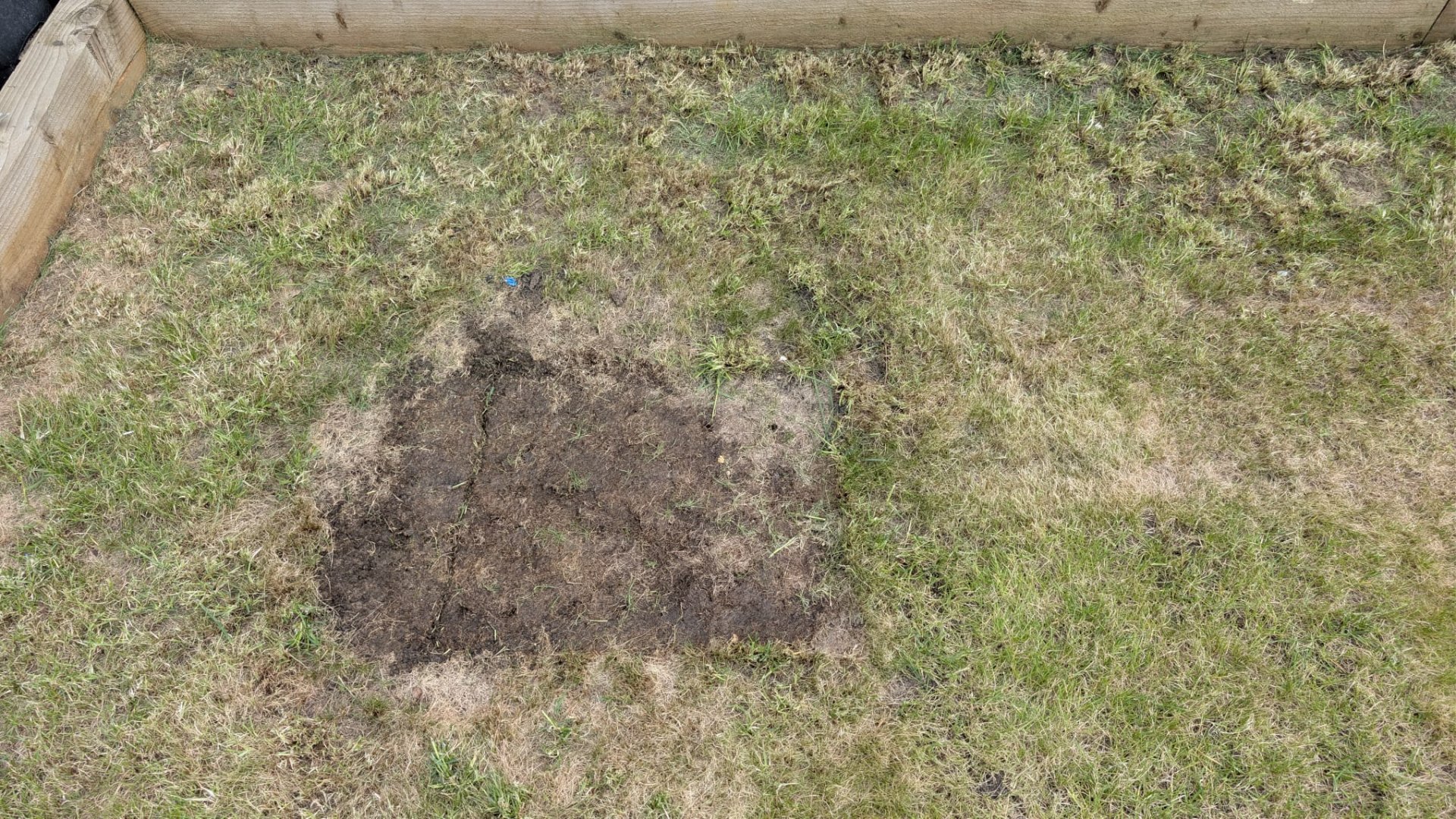
After a winter of neglect, a homeowner's lawn suffers from a bare patch. Join us as we diagnose the issue and provide a comprehensive recovery plan to restore that vibrant green. Discover the steps to revive your lawn this spring.
The Problem, In the Reader's Own Words
Quick Answer: An unknown lawn issue, such as a bare patch caused by winter debris, can be resolved by removing the obstruction and reseeding the area. Expect to see new grass growth within 7-14 days after reseeding, depending on conditions.
In spring, a homeowner contacted us with a common concern. After leaving an object on their lawn over the winter, they noticed an area where the grass is not growing due to an unknown lawn issue. Here are their exact words.
Reader Submission"I left something over the winter and now the grass is not growing in that area, what do i do"
— Submitted May 21, 2026
The photo shows a distinct patch of bare soil, contrasting with the lush green grass around it. The patch's edges appear brown, indicating recent health decline, likely worsened by winter's harsh conditions.
Understanding the Causes of Lawn Issues
Leaving an object on the lawn during winter can create problems for the grass beneath. The object's material may have caused smothering or shading, leading to reduced photosynthesis for the grass. As temperatures warm in spring, the cool-season grass varietieses that dominate many lawns begin to awaken from dormancy, but those areas obscured by debris may struggle to recover.
Also, organic matter left on the lawn can foster fungal growth or other pathogens. If the object holds moisture, it can lead to conditions that favor diseases like snow mold or even root rot in extreme cases. This lack of growth may stem from competition for nutrients or water. Grass roots beneath the object may have suffocated.
The visible symptoms of a bare patch caused by an unknown lawn issue can also indicate a lack of viable seed or established roots in that area. Cool-season grasses thrive in cooler temperatures but need good soil contact to germinate and grow. The absence of grass in this area suggests that the growth was not just stunted due to an unknown lawn issue; it was effectively killed off due to the prolonged cover and stress from winter conditions.
As we assess the situation, it becomes clear that the homeowner must act quickly to address the unknown lawn issue and restore the vitality of their lawn. They must ensure that potential issues do not spread to nearby areas as spring progresses into warmer months.
Exploring Other Possible Lawn Problems
While evidence points to a lawn issue from the winter object, we must consider other potential factors. Here are two differential diagnoses we evaluated and ruled out.
Evidence for: Dry conditions can cause patchy grass; however, this is less likely in spring when cool-season grasses thrive.
Evidence against: The surrounding area shows healthy growth in the face of unknown lawn issues, indicating that the lawn is likely receiving adequate moisture.
Evidence for: Some pests can damage grass roots or foliage, causing bare patches.
Evidence against: The photo showed no signs of pest activity or visible damage to surrounding grass.
Steps to Resolve Your Unknown Lawn Issue
To help the homeowner restore the affected area and promote healthy lawn growth despite unknown lawn issues, a structured recovery plan is essential.
Here are the steps we recommend for treating the bare patch.
Remove Obstructions
First, carefully remove any debris or objects left on the lawn. This involves lifting remaining items and clearing away dead grass or organic material.
Removing obstructions allows the soil to breathe and prepares the area for new grass.
Loosen the Soil
Next, use a garden fork or aerator to loosen the soil in the bare area. This helps break up compacted soil, allowing water and nutrients to penetrate effectively.
Aerating the soil encourages root growth and improves grass health by enhancing water and nutrient uptake.
Reseed the Area
Once the soil is prepared, it’s time to reseed the bare patch with a high-quality cool-season grass seed that matches the existing lawn. Spread the seed evenly, ensuring good soil contact.
Reseeding is critical for restoring the lawn’s appearance and health, introducing new grass that can thrive.
Water and Fertilize
After seeding, water the area thoroughly to help germination. After the initial watering, maintain consistent moisture while avoiding overwatering. A light application of balanced fertilizer can promote quick growth.
Proper watering and fertilization support seed germination and encourage established grass to recover quickly.
Monitor and Maintain
Lastly, monitor the area for the next few weeks. Ensure the new seedlings are protected from foot traffic and receive adequate water and light. Adjust watering as needed based on rainfall and temperatures.
Ongoing monitoring ensures that the new grass has the best chance to establish and thrive, preventing further issues from arising.
What to Expect, Week by Week
As the homeowner starts this recovery journey, it’s important to know what to expect in the coming weeks. Here’s a timeline of milestones to guide the recovery process.
Week 1 — Preparation
The homeowner should remove debris, loosen the soil, and reseed. Water regularly to encourage germination.
Week 2-3 — Germination
New grass seedlings will emerge. Continue watering as needed, ensuring the soil stays moist but not saturated.
Week 4 — Establishment
As seedlings grow, they will fill in the bare patch. Fertilize lightly if growth seems slow.
Week 5-6 — Maturing
The grass will begin to blend in with the surrounding lawn. Maintain regular mowing and watering to promote healthy growth.
Common Questions
Frequently Asked Questions
What is the best time to address an unknown lawn issue?
The best time to address an unknown lawn issue is in early spring, typically between March and April, when cool-season grasses begin to awaken and can recover quickly.
How often should I water after reseeding?
After reseeding, water the area daily for the first week to keep the soil consistently moist, then reduce to every 2-3 days as seedlings establish.
What signs indicate an unknown lawn issue?
Signs of an unknown lawn issue include bare patches, discoloration, or stunted growth, often visible within a few weeks of winter thaw.
Can an unknown lawn issue be caused by pests?
Yes, pests can contribute to unknown lawn issues, but they typically present with visible signs of damage, such as holes or chewed grass, which can be identified within a few days.
How long does it take to recover from an unknown lawn issue?
Recovery from an unknown lawn issue can take 4-6 weeks, depending on the severity of the damage and the care provided during the recovery process.
Frequently Asked Questions
What is the best time to address an unknown lawn issue?
The best time to address an unknown lawn issue is in early spring, typically between March and April, when cool-season grasses begin to awaken and can recover quickly.
How often should I water after reseeding?
After reseeding, water the area daily for the first week to keep the soil consistently moist, then reduce to every 2-3 days as seedlings establish.
What signs indicate an unknown lawn issue?
Signs of an unknown lawn issue include bare patches, discoloration, or stunted growth, often visible within a few weeks of winter thaw.
Can an unknown lawn issue be caused by pests?
Yes, pests can contribute to unknown lawn issues, but they typically present with visible signs of damage, such as holes or chewed grass, which can be identified within a few days.
How long does it take to recover from an unknown lawn issue?
Recovery from an unknown lawn issue can take 4-6 weeks, depending on the severity of the damage and the care provided during the recovery process.
How long does it take for grass seed to germinate?
Can I use any grass seed for my lawn?
What type of fertilizer should I use?
Should I cover the seed with soil?
How can I prevent this from happening in the future?
Conclusion: Reviving Your Lawn After Winter
Reviving a bare patch from winter neglect is manageable with the right approach. By following these steps and maintaining care, the homeowner can expect a lush, healthy lawn soon. If others face similar lawn dilemmas, we encourage them to upload photos for personalized advice!
Key Takeaways
- Removing debris is vital for lawn recovery.
- Regular watering and monitoring ensure healthy growth.
- Using the right grass seed ensures uniformity in the lawn.
Tags: case-study, cool-season grass, unknown lawn issue, spring