Unraveling Lawn Mysteries: Diagnosing Brown and Yellow Patches
A homeowner's lawn has transformed from lush to patchy, presenting a mystery for any lawn care enthusiast. In this case study, we explore the potential causes and offer a clear recovery plan.
Case Study · Lawn Recovery Insights
Quick Verdict
Unknown lawn issue
Grass Type
Cool-season grass
Season
Spring
Understanding Brown Yellow Patches in Your Lawn: A Reader's Perspective
Quick Answer: Brown and yellow patches in a lawn typically indicate underlying issues such as soil compaction, nutrient deficiencies, or disease. To address these patches effectively, assess soil conditions and implement corrective measures within a few weeks.
In this case study, we dive into a reader's lawn that has experienced a concerning transformation from lush green to troubling brown yellow patches lawn. Let's explore the situation together.
Reader Submission
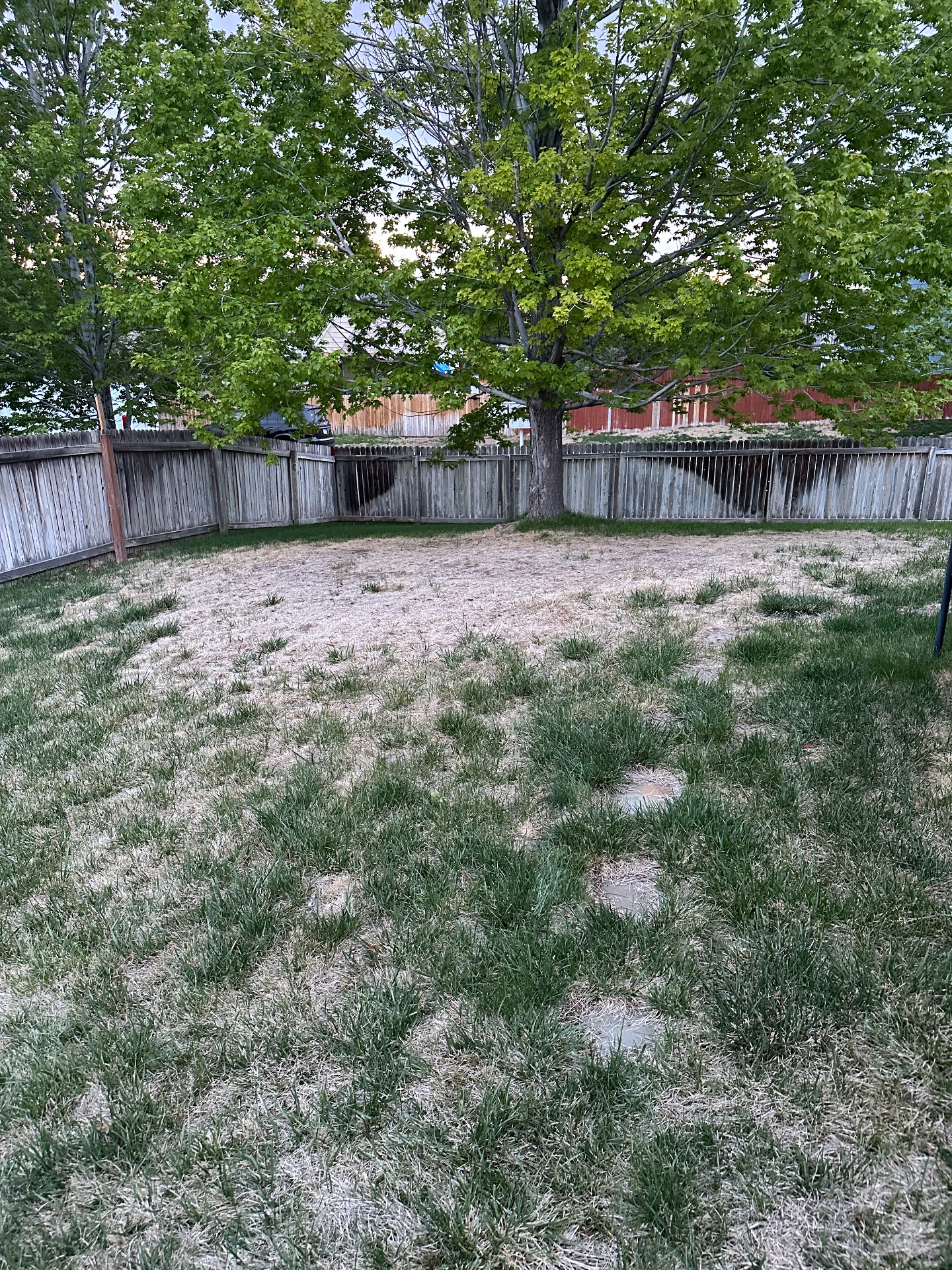
When it comes to brown yellow patches lawn, "Brown/yellow areas with no grass growing. Some areas have grass growing. At end of last season, grass covered the entire area. "
— Submitted May 30, 2026
When it comes to brown yellow patches lawn, The submitted photo shows significant brown and yellow areas without grass. The surrounding regions, while showing some patches of green, suggest a troubling inconsistency throughout the lawn, which raises questions about the underlying health and conditions of the turf.
Causes of Brown Yellow Patches in Lawns
The brown yellow patches lawn in the reader's lawn indicate a disruption in the growth and health of the grass, particularly in cool-season species. As the spring season transitions in many regions, the grass begins to awaken from dormancy. However, underlying conditions can lead to stress, ultimately resulting in brown yellow patches lawn that appear dead or dying. The absence of grass in large areas signals a potential issue that could stem from several factors, including soil health, nutrient availability, or even environmental conditions, which may contribute to brown yellow patches lawn.
When it comes to brown yellow patches lawn, Since the reader noted the grass covered the entire area at the end of the previous season, something likely changed in the environment or soil composition over winter. One possibility could be that the soil has become compacted or waterlogged, both of which can severely limit root development and nutrient uptake. When grass roots are unable to absorb sufficient nutrients and moisture, the grass will weaken, leading to yellowing and eventual death.
Another consideration is the potential for diseases or pests that may have emerged during the transition from winter to spring. Cool-season grasses are particularly susceptible to various diseases, including brown patch and dollar spot, which can manifest as brown yellow patches lawn. The timing of the symptoms in spring is critical, as certain diseases are more prevalent during this season. However, without further evidence of fungal growth or pest activity, we must remain cautious in attributing the damage to these factors.
Lastly, the application of Pro-Rich Fertilizer, while beneficial in many instances, could also contribute to uneven growth if applied improperly or in excessive amounts. High nitrogen content fertilizers, while promoting lush growth, can lead to grass becoming more susceptible to diseases if the lawn does not have a balanced nutrient profile.
Alternative Diagnoses for Lawn Issues
We must consider alternative diagnoses that could explain the lawn's distress. We have ruled out several common issues that could lead to similar symptoms.
Soil CompactionPossible
Evidence for: Compacted soil can prevent root growth and nutrient absorption, leading to brown patches.
Evidence against: The reader did not mention any significant traffic or activities that could cause compaction, making this less likely.
Fungal DiseaseUnlikely
Evidence for: Symptoms could match those of diseases such as brown patch, which are common in spring.
Evidence against: No visible signs of fungal growth or patterns indicative of disease were noted in the photo.
Nutrient DeficiencyPossible
Evidence for: The application of fertilizer may not have addressed specific nutrient deficiencies in the soil.
Evidence against: The reader did apply Pro-Rich Fertilizer, suggesting an attempt to correct nutrient imbalances.
Effective Solutions for Brown Yellow Patches in Your Lawn
With a clearer understanding of potential issues, implement a structured recovery plan. Here are the recommended steps to restore the health and appearance of the lawn:
01
Assess Soil Drainage
Start by checking the soil drainage in the affected areas. To do this, dig a small hole about six inches deep and fill it with water. Observe how quickly the water drains. If it takes longer than 30 minutes to drain, this may indicate poor drainage, which can lead to root rot.
Why this step
Identifying drainage issues is critical, as poor drainage directly impacts root health and can lead to grass die-off.
02
Core Aeration
If drainage is poor, perform core aeration. This process involves removing small plugs of soil to relieve compaction and allow for better water and nutrient penetration. Ideally, this should be done in early spring when the grass is actively growing, and the soil is moist.
Why this step
Aeration helps improve soil structure and encourages deeper root growth, which is essential for a healthy lawn.
03
Soil Testing
Conduct a soil test to determine nutrient levels, pH, and deficiencies. This information will help tailor specific amendments to balance nutrient levels appropriately.
Why this step
Understanding the soil's nutrient profile allows for targeted treatments, maximizing the effectiveness of fertilization to combat brown yellow patches lawn.
04
Topdressing with Quality Compost
After aeration, topdress the lawn with a thin layer of quality compost. This organic matter will improve soil health, increase microbial activity, and provide a slow-release source of nutrients that will benefit the grass.
Why this step
Topdressing enriches the soil, helping to create a more favorable environment for grass recovery and growth.
05
Monitor and Adjust Watering
Establish a consistent watering schedule that allows the soil to dry slightly between watering. Overwatering can exacerbate issues, while underwatering can stress the grass. Aim for approximately 1-1.5 inches of water per week, adjusting based on weather conditions.
Why this step
Proper watering practices are essential for maintaining healthy grass and preventing further patch development.
What to Expect, Week by Week
As the reader implements these steps, it's important to have realistic expectations for recovery. Here's what to anticipate in the coming weeks:
Week 1 — Assessment and Aeration
The reader should observe improvements in soil drainage and begin core aeration, preparing for enhanced root growth.
Week 2-3 — Soil Testing and Topdressing
Soil test results will guide necessary amendments, and topdressing will introduce beneficial organic matter to the lawn.
Week 4 — Watering Adjustments
With proper watering adjustments, the reader should see signs of recovery, with green shoots beginning to emerge from the affected areas.
Week 5-6 — Signs of Improvement
By this time, the lawn should show significant improvement, with grass filling in the previously bare patches and a more consistent green color.
Common Questions
Frequently Asked Questions
What causes brown yellow patches in lawns?
Brown yellow patches in lawns can be caused by several factors, including soil compaction, nutrient deficiencies, pests, or diseases. Identifying the specific cause is essential for effective treatment.
What is the best time to aerate my lawn?
The best time to aerate cool-season grasses is in early spring or fall when the grass is actively growing. This timing helps improve soil health and grass recovery.
How often should I test my lawn soil?
It's recommended to test your lawn soil at least once every 2-3 years to monitor nutrient levels and pH balance, ensuring optimal growth conditions for your grass.
Can overwatering cause brown yellow patches?
Yes, overwatering can lead to poor soil drainage and root rot, which may cause brown yellow patches in the lawn. Aim for 1-1.5 inches of water per week, adjusting based on rainfall.
How long does it take for a lawn to recover from brown yellow patches?
Recovery from brown yellow patches can take 4-6 weeks, depending on the severity of the issue and the steps taken to improve soil health and watering practices.
- How often should I water my lawn? Watering should be done about once a week, applying 1-1.5 inches of water. Adjust based on rainfall and temperature conditions.
- What type of fertilizer should I use? A balanced fertilizer with a ratio of nitrogen, phosphorus, and potassium is ideal, but specific needs should be determined through soil testing.
- Can I overseed to help repair the lawn? Yes, overseeding can be beneficial, especially after aeration and topdressing, to help establish new grass" rel="noopener noreferrer" target="_blank">new grass in bare spots.
- How can I tell if my lawn has pests? Look for signs such as unusual patches, grass that pulls up easily, or visible insects. If in doubt, a professional inspection can help.
How often should I water my lawn?
Watering should be done about once a week, applying 1-1.5 inches of water. Adjust based on rainfall and temperature conditions.
What type of fertilizer should I use?
A balanced fertilizer with a ratio of nitrogen, phosphorus, and potassium is ideal, but specific needs should be determined through soil testing.
Can I overseed to help repair the lawn?
Yes, overseeding can be beneficial, especially after aeration and topdressing, to help establish new grass in bare spots.
How can I tell if my lawn has pests?
Look for signs such as unusual patches, grass that pulls up easily, or visible insects. If in doubt, a professional inspection can help.
The Bottom Line
With a strategic approach to addressing the lawn’s distress, the reader can expect a gradual recovery through soil management, appropriate watering, and nutrient balance. By following these steps, the once lush green lawn can return to its former glory, eliminating brown yellow patches lawn. Readers experiencing similar issues are encouraged to submit their lawn photos for personalized assessments!
Key Takeaways
- Identify underlying soil issues to prevent lawn stress.
- Regular soil testing is crucial for proper nutrient management.
- Timely aeration and topdressing can significantly enhance lawn recovery.
Tags: case-study, cool-season grass, unknown lawn issue, spring