Compacted Clay Complicating New Grass Rooting Process
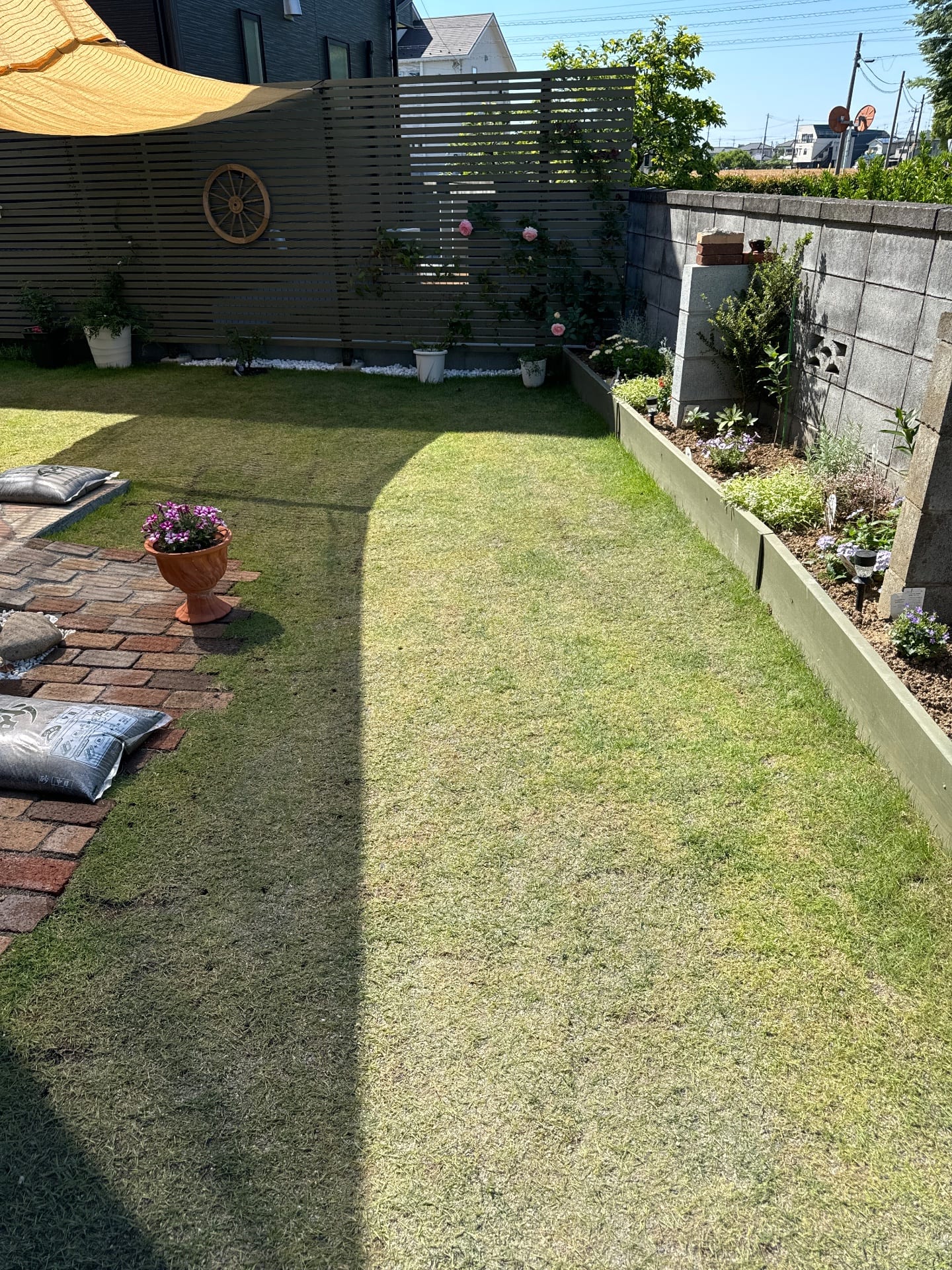
This case study dives into the challenges of a newly laid lawn struggling with compacted clay. With actionable steps and a clear recovery plan, readers can learn how to nurture their own lawns back to health.
Case Study · New Lawn Challenges
Quick Verdict
Unknown lawn issue
Grass Type
Season
Summer
The Problem, In the Reader's Own Words
Quick Answer: Compacted clay can significantly hinder the rooting process of newly laid sod, often extending the rooting period beyond the typical 2-3 weeks. Homeowners may need to implement aeration and top-dressing techniques to improve soil conditions and promote healthy root growth.
This case study focuses on a newly laid lawn facing some growing pains. The homeowner has identified new lawn compacted clay as a potential culprit for slow root development. Let’s explore their experience.
Reader Submission
"It’s newly laid about 2 months ago, rooting is taking some time dude to compact clay underneath, I arrogated and top dressed with sand yesterday"
— Submitted June 1, 2026
The submitted photo shows a lawn that looks lush in some areas but has uneven growth and signs of stress. The surrounding patches seem to struggle, possibly indicating issues beneath the surface.
The Impact of Compacted Clay on New Lawns
The issues facing this young lawn can be attributed to the layer of new lawn compacted clay beneath the surface. Newly laid sod often relies on the soil’s ability to retain moisture and provide nutrients; however, new lawn new lawn compacted clay can inhibit root penetration and stifle growth. In this case, the sod has been laid for approximately two months, a critical period for rooting, and the homeowner reports that rooting is taking longer than expected.
Clay soils are dense and poorly drain, creating an environment that is not ideal for grass roots. When roots can’t spread, they struggle to absorb water and nutrients. The compacted layer restricts airflow to the roots, leading to a lack of oxygen that is essential for healthy plant growth. As a result, the grass may show stunted growth or patchy areas, as seen in the reader's photo.
The homeowner's top-dressing with sand is a common practice to improve soil structure. Sand can help alleviate compaction and improve drainage when mixed with clay. However, using the right ratio and method is crucial, as improper application may cause further complications. In this case, the sand application might help over time, but do not expect immediate results.
Finally, the season can also affect the grass’s recovery. Summer is a challenging time for cool-season grasses. They thrive in cooler temperatures but struggle with heat stress. This combination of factors—new lawn compacted clay, the young lawn’s age, and the summer heat—creates a perfect storm for the issues observed in this lawn.
Exploring Other Potential Lawn Issues
Considering the symptoms and conditions, alternative diagnoses may exist. However, the signs point clearly towards issues related to new lawn compacted clay, making other potential causes less likely.
Poor Watering PracticesUnlikely
Evidence for: Inconsistent watering can lead to uneven growth and stressed grass.
Evidence against: The reader has not reported issues with watering; they mentioned that they have irrigated and top-dressed, which indicates a proactive approach to care.
Pest InfestationUnlikely
Evidence for: Pest activity can cause patches and poor growth.
Evidence against: There are no visible signs of pests in the photo, and the symptoms align more closely with compaction issues than pest damage.
Nutrient DeficiencyUnlikely
Evidence for: Nutrient deficiencies can lead to poor growth and discoloration.
Evidence against: The primary issue appears to be related to compaction, which would prevent roots from accessing nutrients, rather than a lack of nutrients in the soil itself.
Effective Solutions for New Lawn Compacted Clay Issues
To rehabilitate this struggling lawn, a well-structured recovery plan is needed to address the new lawn compacted clay and promote healthy rooting. Here are several actionable steps to follow:
01
The first step involves core aeration, which is crucial for alleviating soil compaction. This process removes small plugs of soil from the lawn, allowing for better air and water penetration. Use a core aerator to target the most compacted areas of the lawn, ensuring the plugs are evenly distributed across the surface.
Why this step
Aeration is essential because it creates pathways for roots to grow deeper and access nutrients and moisture more effectively.
02
Top-Dress with Organic Material
After aerating, apply a thin layer of organic compost across the lawn. This improves soil structure, enhances microbial activity, and increases nutrient availability. The organic matter also retains moisture, which helps during hot summer months.
Why this step
Adding organic material helps to boost soil health, which is critical for the establishment of new grass roots and overall lawn vitality.
03
Establish a consistent watering schedule to keep the soil moist but not waterlogged. Aim for deep watering sessions two to three times a week, based on rainfall, to encourage deeper root growth. Avoid frequent shallow watering, as it can lead to shallow root systems.
Why this step
Proper watering encourages deep rooting, which is essential for grass to thrive, especially in summer heat.
04
Monitor and Adjust Fertilization
After establishing a healthy watering routine, assess if the lawn requires fertilization. If the grass appears yellow or growth is slow, consider applying a balanced fertilizer with equal parts nitrogen, phosphorus, and potassium. Follow the recommended application rates to avoid over-fertilization.
Why this step
Fertilization can provide necessary nutrients to support growth and recovery, but it must be done carefully to avoid nutrient burn.
05
Patience and Observation
Lastly, patience is key. Monitor the lawn’s progress over the next few weeks. Watch for signs of improvement, like increased green color and growth. If issues persist, consider soil testing to check nutrient levels and pH.
Why this step
Monitoring the lawn’s response to care ensures adjustments can be made timely and effectively, promoting a healthier lawn.
Timeline for Recovery: What to Expect
As the homeowner implements these steps, having a timeline for expected progress is essential. Here’s what to look out for each week:
Week 1 — Aeration and Initial Recovery
The lawn will show signs of disturbance from aeration. Grass may appear stressed, but this is normal as roots adapt to the aerated conditions.
Week 2-3 — Improved Moisture and Growth
With consistent watering and top-dressing, the grass should show improved moisture retention. Look for darker green patches and more uniform growth across the lawn.
Week 4 — Nutrient Response
If fertilization occurs, expect a boost in growth and color. The lawn will begin to fill in, and any bare patches might show signs of recovery.
Week 5-6 — Continued Development
The lawn should steadily improve in density and color over time. Regular monitoring helps identify lingering issues, allowing the homeowner to address them promptly.
Common Questions
How long does it take for new sod to root?
Typically, new sod takes about 2-3 weeks to begin rooting. However, in compacted soils, this process can take longer. Regular care, including aeration, can help accelerate rooting.
Can I aerate my lawn in the summer?
Yes, aeration can be performed in the summer, particularly if the lawn is cool-season grass. However, it’s best to do it in the early morning or late evening to avoid additional heat stress.
What type of fertilizer should I use?
A balanced fertilizer with equal parts nitrogen, phosphorus, and potassium is ideal for most lawns. Always follow the application instructions to prevent over-fertilization.
Why did I see no immediate improvement after top-dressing?
Top-dressing improves soil health over time; immediate results are not always visible. Continued care and patience are essential as the lawn adjusts.
What can I do if the lawn does not improve?
If there is no improvement after several weeks, consider conducting a soil test to check nutrient levels and pH. This can provide insights into additional treatments needed.
The Bottom Line
Addressing compacted clay issues and nurturing a new lawn requires a thoughtful approach. By implementing core aeration, top-dressing, and consistent watering, the homeowner can set their new lawn compacted clay on a path to recovery. If you face similar challenges, share your lawn photos for tailored advice!
Key Takeaways
- Compacted clay prevents grass root growth.
- Aeration and top-dressing enhance soil structure.
- Patience and consistent care are vital for recovery.
Frequently Asked Questions
What is compacted clay?
Compacted clay is a dense soil type that has been compressed, making it difficult for roots to penetrate. This type of soil often retains water but does not drain well, leading to poor aeration and nutrient absorption.
How does compacted clay affect new grass?
Compacted clay can significantly hinder the rooting process of new grass, extending the rooting period beyond the typical 2-3 weeks. This can result in uneven growth and stress in the grass, as roots struggle to access water and nutrients.
What are the signs of compacted clay in a new lawn?
Signs of compacted clay include uneven growth patterns, areas of stress, and poor drainage. If your new lawn appears lush in some spots but struggles in others, compacted clay may be the underlying issue.
How can I improve compacted clay for new grass?
To improve compacted clay, homeowners can implement aeration and top-dressing techniques. Aeration involves perforating the soil to allow air, water, and nutrients to penetrate, while top-dressing with organic materials can enhance soil structure.
When should I aerate my new lawn?
It is recommended to aerate your new lawn when it is at least 6-8 weeks old, as this allows time for the roots to establish. Aeration can be performed once or twice a year, depending on soil conditions.
Can I plant grass directly on compacted clay?
While it is possible to plant grass on compacted clay, it is not advisable without first improving the soil conditions. Grass may struggle to establish roots in compacted clay, leading to poor growth and health.
Tags: case-study, cool-season grass, unknown lawn issue, summer