Is My Lawn Dead or Dormant? How to Tell the Difference
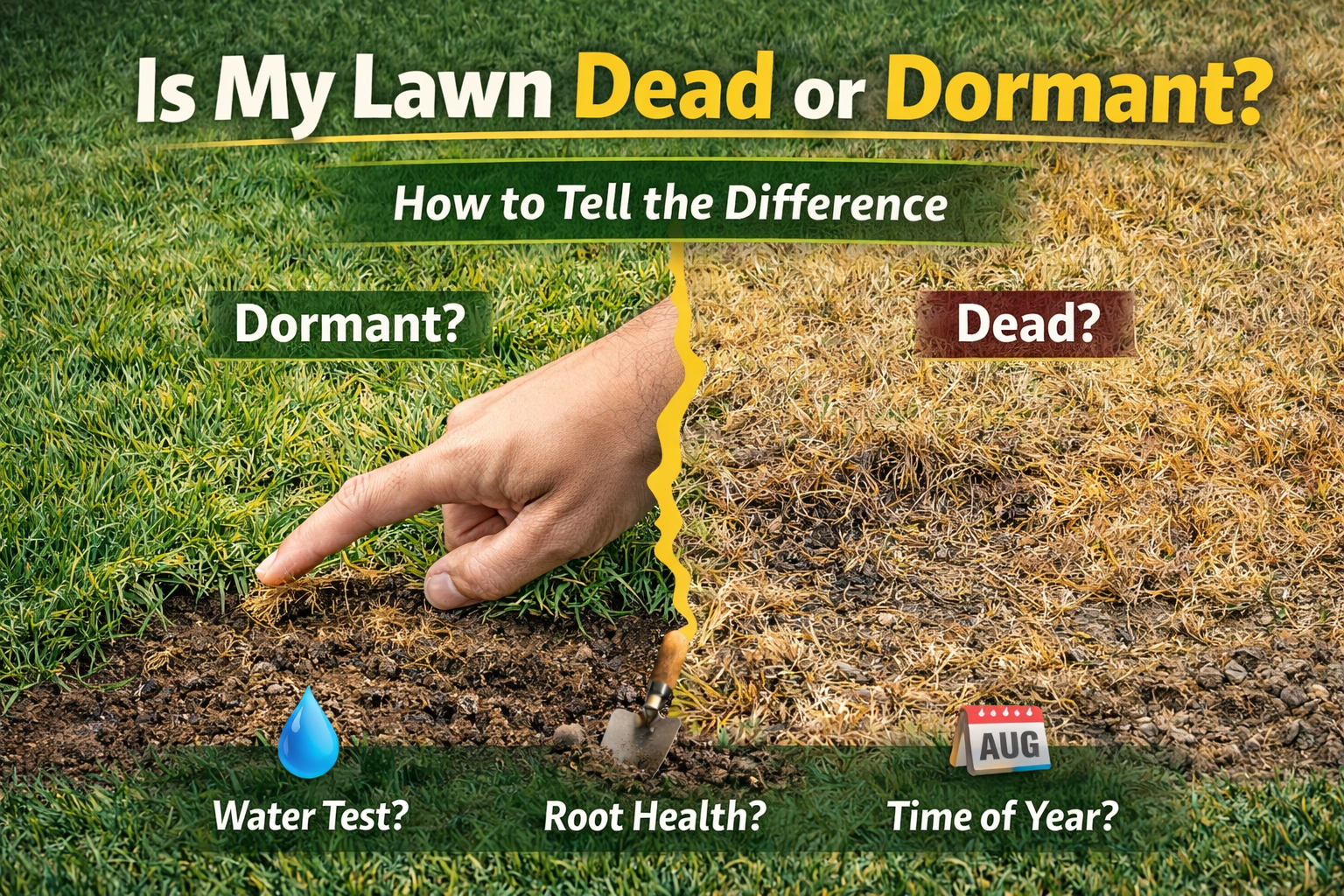
Knowing if your lawn is dead or dormant is crucial for effective lawn care. This guide explores key signs, assessment methods, and revitalization techniques to ensure your grass thrives throughout the seasons.
Introduction: Why Lawn Health Matters
A healthy lawn improves your property's value and looks great. When homeowners ask, "is my lawn dead or dormant?" understanding the signs of a dormant lawn is crucial. they are usually concerned about how to maintain the appearance and health of their landscape.
Understanding Key Differences: Is My Lawn Dead or Dormant?
Understanding the difference between a dormant lawn and a dead one is essential for proper lawn care, especially when determining if your lawn is dead or dormant. These definitions help you choose the right actions.
- Dormant Lawns: These lawns temporarily lose their color due to environmental stress but remain alive and can recover.
- Dead Lawns: Grass that has turned brown or lifeless and won't revive, indicating a lack of root or soil health.
Identifying Signs of Dormancy in Your Lawn
Color Changes in Dormant Grass
One of the first indicators that your lawn may be dormant, and not dead, is a change in color. Grass may turn brown, but it can return to green when re-watered.
Texture Differences in Dormant Grass
Dormant grass feels different; it isn't completely dry or dead. Instead, its texture can be describe as crispy but not brittle.
Other Indicators of Dormancy
Understanding dormancy, and recognizing if your lawn is dead or dormant, is vital in relation to climate changes and seasonal cycles. During dry periods or extreme temperature fluctuations, your lawn may enter dormancy as a survival mechanism.
Recognizing Signs of Lawn Death
Lack of Resilience
If walking on your grass yields no bounce back, it likely indicates damage, suggesting that your lawn might be dead rather than simply dormant. Dead grass will not show resilience, feeling flat and lifeless.
Persistent Browning
While dormant grass may brown temporarily, understanding that dead patches will remain brown even after rainfall or thorough watering is crucial to determine if your lawn is dead or dormant.
Other Indicators of Lawn Death
Signs of a dead lawn, as opposed to a dormant lawn, include sparse or no growth, despite efforts at proper care. If your lawn presents multiple brown areas that do not heal, it may be time to consider replacement.
Quick Guide to Assessing Your Lawn's Health
Assessing your lawn's health, especially to determine if it is dead or dormant, can be straightforward. Here are three key methods:
- Conducting a visual inspection: Look for signs of vitality and colors.
- Performing a tug test: Gently tug on grass to check its resilience; if it comes out easily, the roots may be dead.
- Evaluating soil moisture: Dig a small section; dry soil is often a sign of unhealthy grass.
Seasonal Impact on Grass Health
Grass Types and Their Dormancy Patterns
Different types of grasses exhibit various dormancy patterns, which can help you understand if your lawn is dead or dormant. Cool-season grasses typically go dormant in summer, while warm-season grasses fade in winter.
Seasonal Weather Effects on Lawns
Weather patterns—whether droughts or sudden frosts—can significantly affect lawn health. Extreme weather can push grass into dormancy or lead to death if not properly addressed.
Effective Strategies to Revive Your Dormant Lawn
Watering Techniques
One of the most effective ways to revive a dormant lawn, as opposed to a dead one, is through proper watering. Establish a regular watering schedule that allows the soil to absorb moisture without drowning the roots.
Aeration and Fertilization
Aerating the soil can help improve nutrient uptake. Combined with fertilization, it can boost the lawn's ability to recover.
Mowing Practices
Strategic mowing can promote healthy regrowth. Avoid mowing too short; instead, cut only one-third of the grass height to ensure it retains enough energy.
Deciding When to Replace Your Dead Lawn
Assessing the Damage
Before making any decisions about whether your lawn is dead or dormant, assess the extent of the damage. If more than half of your lawn is dead, replacement may be the best option.
Choosing the Right Grass Type for Replacement
When it’s time to replace, choose a grass type suited to your local climate and maintenance preferences. Consider native varieties that often require less care.
Steps to Successful Lawn Replacement
Successful lawn replacement involves key steps: prepare the soil, choose quality seed or sod, and follow proper installation practices for healthy grass.
Conclusion: Making Informed Lawn Care Decisions
As you assess your lawn’s health, understand the differences between dormant and dead grass. With proper care, you can take action that aligns with the findings of your assessment, ensuring a lush and healthy yard.
Tags: is my lawn dead or dormant, lawn care tips, dormant lawn signs