Reviving Your Lawn: Tackling Unknown Issues This Spring
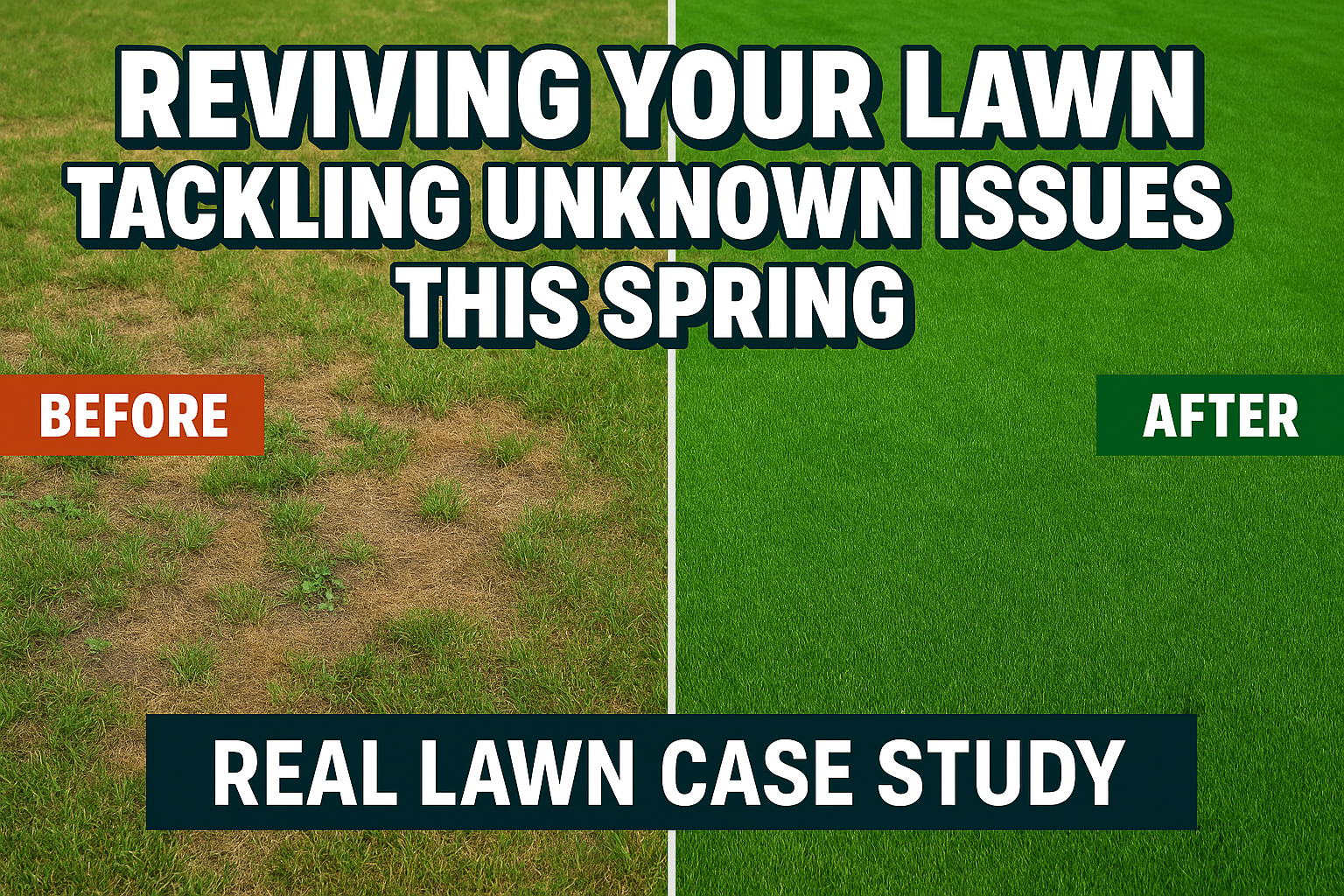
Discover how to revive your lawn this spring after fall seeding setbacks. Our expert team offers solutions for bare spots and weeds while addressing underlying issues.
Frequently Asked Questions
What causes bare spots in my lawn?
Bare spots can be caused by a variety of factors, including poor soil health, inadequate sunlight, pest damage, or excessive foot traffic. Identifying the root cause is essential for effective lawn care solutions for bare spots.
How can I prevent weeds from taking over my lawn?
Maintaining a healthy lawn through proper watering, mowing, and fertilization can help prevent weeds. Additionally, using pre-emergent herbicides and regularly monitoring for weeds can keep them at bay.
When is the best time to reseed my lawn?
The best time to reseed cool-season grasses is in early spring or early fall when temperatures are ideal for germination. This timing allows the grass to establish roots before the heat of summer or the cold of winter.
How often should I water my lawn?
Watering should be done consistently, aiming for about 1 to 1.5 inches of water per week. It's best to water deeply and less frequently to encourage deep root growth.
The Problem
As spring arrives, many homeowners look forward to lush, green lawns in warmer weather. However, one homeowner faced disappointment as their fall grass seed failed to thrive, leaving behind unsightly bare patches and unwelcome weeds. The question was: what steps could rejuvenate the lawn and tackle springtime challenges?
Our analysis revealed that the grass seed failed to establish due to several unknown lawn issues. With the arrival of spring, the homeowner sought guidance on effective lawn care solutions for bare spots to tackle the weeds that had sprung up and how to encourage new growth in the areas that had fallen short. This dilemma is common, especially for those without extensive lawn care experience.
AI Diagnosis Results
Identifying Common Lawn Issues
Unknown lawn issues often stem from environmental factors, maintenance practices, and soil health. In this case, the homeowner's cool-season grass likely suffered from soil compaction, poor drainage, or inadequate sunlight. These factors can hinder grass seed germination and establishment, leading to disappointing results.
Cool-season grasses thrive in temperatures between 60 and 75 degrees Fahrenheit, making the early spring a prime time for growth. However, if the soil isn't prepared properly or if weeds compete aggressively, the grass may struggle to grow. Additionally, pet traffic can compact the soil, complicating the situation and making it hard for new seeds to take root.
This scenario is common for homeowners new to lawn care or who haven't addressed their soil's underlying conditions. Many people overlook the importance of soil health, which is a critical component to effective lawn care solutions for bare spots and a beautiful, resilient lawn. Understanding these unknown lawn issues is key to developing effective lawn care solutions for bare spots that will ensure the success of future planting efforts.
Lawn Care Solutions for Bare Spots
1. Soil Testing and Amendment
Before planting or treating weeds, start with a soil test. This test identifies nutrient deficiencies or pH imbalances that may hinder your grass. Local extension services provide soil testing kits, or you can buy one at a garden center.
Once you get the results, amend the soil as needed. For example, if the soil is too acidic, add lime to raise the pH. If nitrogen is low, use a nitrogen-rich fertilizer to promote healthy grass growth. Healthy soil is the foundation of thriving lawns and effective lawn care solutions for bare spots!
2. Reseeding Bare Spots
After addressing soil health, it's time to tackle those bare spots. Choose a high-quality cool-season grass seed that is well-suited for your local climate and lawn conditions. Prepare the area by raking away debris and loosening the soil, ensuring good seed-to-soil contact.
Sow the seeds according to the package instructions, and lightly cover them with soil. Water the area gently but thoroughly to keep the soil moist, which is vital for germination. Patience is key! New grass may take a few weeks to establish, but with the right care, those bare patches will soon be a thing of the past.
To further enhance your reseeding efforts, consider using a seed starter fertilizer. This type of fertilizer is designed to provide the essential nutrients that young grass needs to establish strong roots. Additionally, using a light mulch can help retain moisture and protect the seeds from birds and other pests. Regularly check the moisture levels and avoid overwatering, as this can lead to seed rot.
After improving soil health, tackle those bare spots. Choose a high-quality cool-season grass seed that is well-suited for your local climate and lawn conditions to effectively address bare spots. Prepare the area by raking debris and loosening the soil for good seed-to-soil contact.
Sow the seeds as per the package instructions and lightly cover them with soil. Water the area gently and thoroughly to keep the soil moist, vital for germination. Patience is key! New grass may take weeks to establish, but with the right care, those bare patches will disappear.
3. Weed Control
Weeds can quickly become a major nuisance, especially in the early spring. To manage them effectively, start by hand-pulling any visible weeds to prevent them from spreading. Additionally, consider applying a pre-emergent herbicide to prevent new weeds from germinating.
Be cautious with herbicides, as some can also affect your grass. Always read labels carefully and choose a product labeled for use on cool-season grasses. Regular mowing can also help keep weeds at bay by preventing them from flowering and seeding.
In addition to these methods, you might want to explore natural weed control solutions. For example, vinegar or boiling water can be effective in killing weeds without harming the environment. Furthermore, maintaining a thick, healthy lawn through proper care can naturally suppress weed growth, as dense grass leaves little room for weeds to take hold.
Weeds can quickly become a nuisance, especially in early spring. To manage them, start by hand-pulling visible weeds to prevent spreading. Also, consider applying a pre-emergent herbicide to prevent new weeds from germinating.
Be cautious with herbicides; some can affect your grass. Always read labels carefully and choose a product safe for cool-season grasses. Regular mowing helps keep weeds at bay by preventing flowering and seeding.
Products That Can Help
- Soil Test Kit: This kit helps you analyze your soil’s nutrient levels and pH, enabling you to make informed amendments.
- Cool-Season Grass Seed: Look for a blend suited to your climate for optimal growth and resilience.
- Pre-Emergent Herbicide: Use this product to prevent weed germination while protecting your existing grass.
- High-Nitrogen Fertilizer: A good fertilizer can give established grass a boost, encouraging healthy growth and recovery.
Prevention & Long-Term Care
To ensure your lawn remains healthy and vibrant throughout the growing season, consider adopting a few preventative measures as part of your lawn care solutions for bare spots. First, practice proper lawn maintenance with regular mowing and aeration. Aeration is particularly beneficial for cool-season grasses, as it helps alleviate soil compaction and improves water and nutrient absorption, which is essential for effective lawn care solutions for bare spots.
Also, be mindful of pet traffic. Designate specific areas for pets to play to minimize lawn damage. Encourage your pets to use these areas to protect your grass and maintain its health.
Lastly, implement a consistent watering schedule during dry spells, aiming for 1 to 1.5 inches of water weekly. This promotes deep root growth and drought resistance, helping your lawn thrive long-term. With the right lawn care solutions for bare spots, care, and attention, your lawn can become the envy of the neighborhood!
Key Takeaways
- Soil health is vital for successful grass growth.
- Reseeding bare spots requires proper soil preparation and care.
- Regular maintenance prevents weeds and promotes a vibrant lawn.
Tags: case-study, cool-season grass, unknown lawn issue, spring