What To Do About Lawn Pests
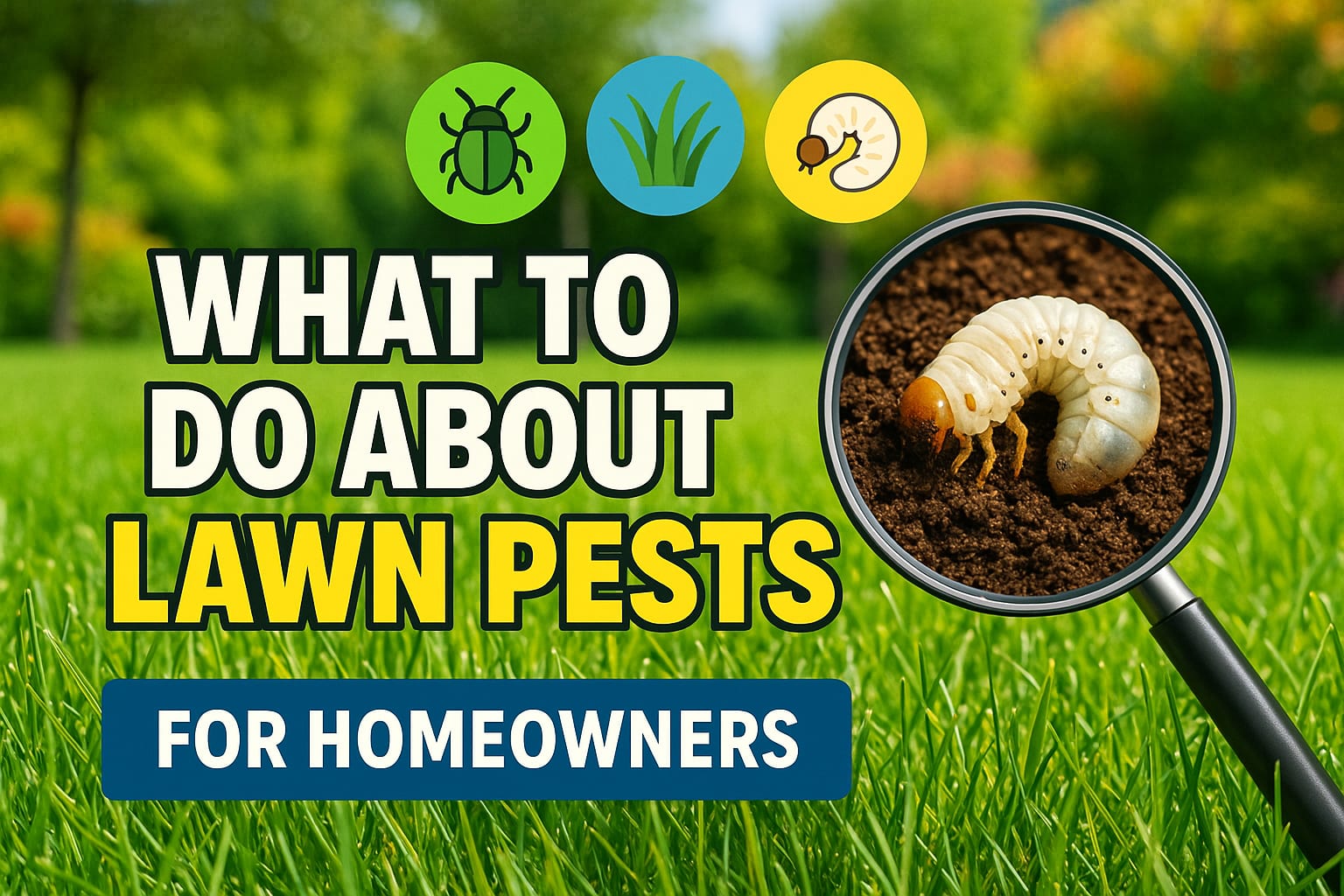
Learn how to identify and manage lawn pests effectively with our comprehensive guide. From recognizing common lawn pests to exploring organic and chemical treatment options, discover best practices to maintain a healthy lawn and when to call for professional help.
Quick Answer
To effectively understand what to do about lawn pests, first identify the type of pest and the signs of their presence. Use a combination of organic solutions like neem oil and chemical treatments when necessary. Regular lawn maintenance, such as mowing and watering, can also help prevent infestations.
Understanding Lawn Pests: Importance and Impact
Understanding what to do about lawn pests is crucial for homeowners looking to maintain a beautiful and healthy lawn. Lawn pests can severely affect the health and aesthetic appeal of your yard. These pests can damage grass and plants, leading to unsightly patches and unhealthy growth. Knowing how to manage these issues is key to sustaining a lush and green landscape.
Identifying Common Lawn Pests
Common Types of Lawn Pests
Several common pests can invade your lawn:
- Grubs: These are the larvae of beetles and can cause significant root damage.
- Chinch Bugs: Small and black, these bugs suck the nutrients from grass, leading to yellowing and dead patches.
- Aphids: Tiny and often green, they suck sap from plants and can lead to a decline in vitality.
Signs of Pest Infestation
Detecting lawn pests early is essential for effective control. Here are some visual signs to look for:
- Discoloration: Look for patches of yellow or brown grass.
- Dead Patches: Noticeable areas where grass has completely died.
- Holes in Leaves: Bites or irregular shapes in leaves signal insect activity.
Regular monitoring leads to early detection and easier management.
Organic and Chemical Treatment Options
Organic Solutions
For those interested in sustainable lawn care, several organic pest control methods are effective: Organic pest control methods can help maintain a healthy lawn.
- Neem Oil: This natural pesticide disrupts the growth and reproduction of pests.
- Diatomaceous Earth: A natural powder that dehydrates insects upon contact.
- Beneficial Insects: Introducing natural predators, such as ladybugs, can help control pest populations.
Chemical Treatments
Sometimes, chemical treatments may be necessary for stubborn infestations. Always follow label instructions to ensure safety and effectiveness. Here’s an overview:
- Insecticides: These are effective but should be used as a last resort.
- Application: Always follow label instructions to ensure safety and effectiveness.
When using any chemical, it’s critical to take safety precautions, especially around pets and children.
Best Practices for Preventing Lawn Pests
Maintaining Lawn Health
Healthy lawns can better resist lawn pests. Here are some best practices:
- Regular Mowing: Keep your lawn at an appropriate height to promote healthy growth.
- Proper Watering: Water early in the morning to avoid disease and promote deep root growth.
Seasonal Tips
Timing is key for effective pest management:
- Spring: Monitor for early signs of pests and treat as necessary.
- Fall: Prepare your lawn for winter by aerating and fertilizing to strengthen roots.
Encouraging biodiversity within your lawn can also create a natural balance where beneficial insects thrive, helping manage pests organically.
When to Seek Professional Help
Sometimes, what to do about lawn pests may require professional help beyond DIY solutions. Here’s when to consider hiring professionals:
- Persistent Infestations: If problems continue despite your efforts, it may be necessary to call in experts.
- Comprehensive Inspections: Professionals can offer thorough inspections, identifying treatments you might miss.
When hiring a lawn care service, ask about their methods to ensure they are environmentally friendly.
Frequently Asked Questions
What are the most common lawn pests?
Common lawn pests include grubs, chinch bugs, and aphids. Each of these can significantly damage your lawn if not controlled early.
How can I identify if I have lawn pests?
Signs of lawn pests include discoloration of grass, dead patches, and visible holes in leaves. Regular monitoring can help catch infestations early.
What are some organic solutions for lawn pest control?
Effective organic solutions for what to do about lawn pests include neem oil, diatomaceous earth, and the introduction of beneficial insects to your lawn.
When should I use chemical treatments for lawn pests? For a deeper understanding of chemical options, see our detailed post on How to Choose and Apply Lawn Fertilizer.
Chemical treatments should be used as a last resort when organic methods fail to control an infestation effectively.
How often should I monitor my lawn for pests?
Monitoring your lawn at least once a week, especially during the growing season, can help catch pest problems early.
What preventive measures can I take against lawn pests?
Preventive measures include regular mowing, proper watering, and fertilization to promote healthy grass growth that naturally resists pests. For more on lawn maintenance, check out our post on The Ultimate Spring Lawn Checklist for Homeowners.
When is it time to call a professional for lawn pest control?
If infestations persist despite your efforts or if you're unsure how to correctly identify pests, it may be time to seek professional help.
Can I combine organic and chemical pest control methods?
Yes, in some cases combining organic and chemical methods can provide a more effective pest control strategy. However, always ensure compatibility.
Tags: what to do about lawn pests, lawn pest control, preventing lawn pests, lawn care pests, organic pest control for lawns