How to Fix Lawn Damage From Snow Mold After Winter
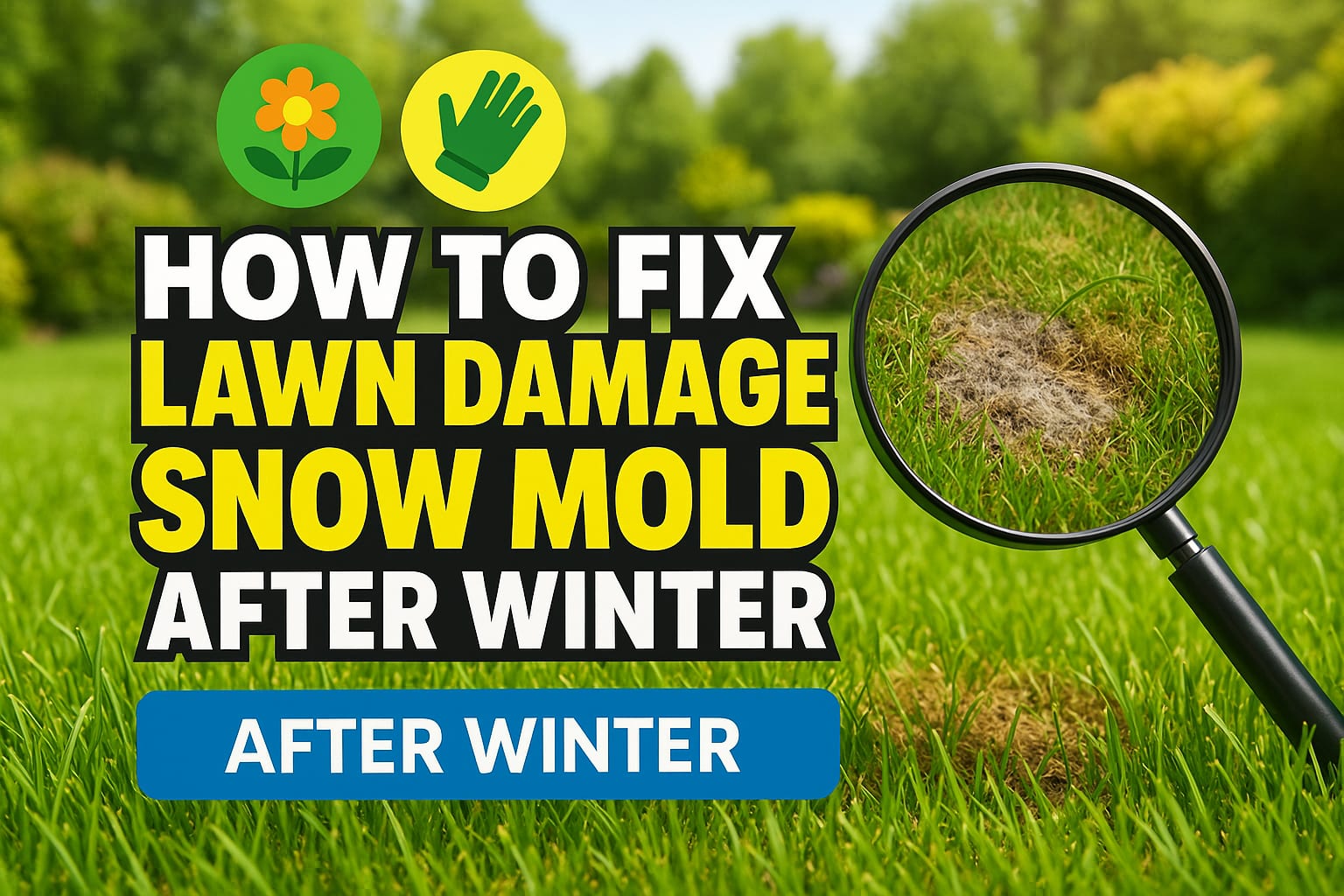
Learn how to fix snow mold damage in your lawn with effective repair techniques and preventative measures. This comprehensive guide covers identification, repair, and tips for winter lawn care, ensuring a healthy lawn year-round.
Quick Answer
To fix snow mold lawn damage effectively, start by removing dead patches and reseeding with a suitable grass type. Aerate the soil to promote healthy growth, and incorporate eco-friendly treatments to rejuvenate the affected areas.
Understanding Snow Mold: What It Is and How It Affects Your Lawn
Snow mold is a common lawn disease that occurs after winter, primarily affecting cool-season grasses. This fungal infection can quickly damage your lawn if not addressed. Understanding what snow mold is and its characteristics can help you manage and ultimately prevent it in the future. For more on lawn issues, see What’s Wrong With My Lawn? The Complete Diagnostic Guide.
Types of Snow Mold
There are mainly two types of snow mold:
- Gray snow mold (Typhula spp.) - appears as gray-white patches, often covered with fungal spores.
- Pink snow mold (Microdochium nivale) - manifests as pink or reddish patches that can be quite extensive.
Symptoms of Snow Mold Damage
Identifying snow mold symptoms is essential for effective repair. Affected areas may show signs of matted grass, pale coloration, or circular patches ranging from a few inches to several feet in diameter. Often, these patches indicate that your lawn is suffering and needs immediate attention.
How to Diagnose Snow Mold vs. Other Lawn Problems
It is vital to distinguish snow mold from other common lawn issues, such as grubs, brown patch, or rust diseases. Snow mold typically occurs in late winter or early spring, especially after prolonged snow cover. In contrast, other issues may present symptoms during the growing season.
To assess your lawn health after winter, check for distinct patterns in damage. Snow mold often results in circular patches, while other diseases may cause more random and scattered damage. Always examine the underlying soil structure to rule out issues like drainage problems or compaction.
How to Fix Snow Mold Damage in Your Lawn
Fixing snow mold lawn damage requires immediate action and a long-term plan for lawn health improvement. Here are effective strategies to restore your lawn.
Reseeding and Reinforcing Healthy Growth
Start by removing any dead or infected grass from the affected areas. Reseeding with high-quality grass seed can reinvigorate your lawn quickly. Ensure you adhere to the recommended coverage rates, which vary depending on the type of grass you choose.
Aerating the soil will help improve water penetration and nutrient absorption. By doing so, you will enhance the soil health, allowing grass roots to establish more effectively. Make sure you use a core aerator to create holes about two to four inches apart.
Natural Remedies and Eco-Friendly Solutions
In addition to traditional methods, there are various organic treatments that can help combat snow mold, including using a fungicide like Fungicide for Snow Mold to effectively address the issue. Products containing beneficial fungi, kelp extracts, or compost teas can invigorate soil microbial activity and promote healthy grass regrowth. Look for eco-friendly lawn care products that can provide nutrients without harmful chemicals.
Best Practices to Prevent Snow Mold in Your Lawn
Preventing snow mold lawn damage in the future is crucial for maintaining garden aesthetics and lawn health. Here are some effective strategies:
Lawn Care Tips for Winterization
Before the first snowfall, properly winterize your lawn. This includes:
- Fertilizing in the fall
- Keeping grass at an optimal height
- Addressing any compaction issues
- Collecting and removing leaves or debris before snow arrives
These actions will minimize the potential for snow mold to develop.
Choosing the Right Grass Type
Selecting grass varieties that are resistant to snow mold can significantly reduce the chances of outbreak. Cool-season grasses such as Kentucky bluegrass, fine fescue, and turf-type tall fescue are generally more resilient to winter conditions.
Lastly, engaging in ongoing maintenance practices supports grass health year-round. These practices include:
- Regular mowing
- Aerating
- Testing soil quality
Utilizing these strategies will not only help in fixing snow mold issues but also in thriving lawn care.
For further information on lawn care and snow mold prevention, check reputable sources like the Purdue University Extension or the University of Minnesota Lawn Care guidelines.
Frequently Asked Questions
What is snow mold and how does it form?
Snow mold is a fungal disease caused by Typhula spp. and Microdochium nivale that occurs after prolonged snow cover. It forms when temperatures are mild and the ground is covered with snow, often affecting lawns with a history of excess moisture.
How can I identify snow mold in my lawn?
Look for circular patches of matted, discolored grass that indicate snow mold lawn damage and appear gray or pink. These patches typically range from a few inches to several feet across, predominantly showing up in areas where snow has melted first.
What are the best ways to fix snow mold damage?
The best ways to fix snow mold lawn damage include removing the affected areas, reseeding with a suitable grass type, aerating the soil, and applying organic treatments to support regrowth.
How can I prevent snow mold from forming in the future?
Prevent snow mold by winterizing your lawn. Fertilize in the fall, avoid overwatering, and choose disease-resistant grass types for your area.
Are there eco-friendly ways to treat snow mold?
Yes, using natural remedies such as beneficial fungi, compost, and organic fertilizers can help treat and prevent snow mold without harming the environment.
When should I reseed my lawn after snow mold?
Reseeding should be done in early spring when the weather warms up and soil temperatures reach at least 50°F (10°C) to promote optimal grass growth.
Is it necessary to aerate the soil after repairing snow mold damage?
Aeration is highly recommended as it improves soil compaction, promotes better water and nutrient absorption, and encourages healthy root development in your lawn.
Can snow mold come back after treatment?
If the conditions that caused the initial outbreak persist (such as prolonged snow cover or excessive moisture), snow mold can return. Implementing preventative measures can help reduce recurrence.
Tags: fix snow mold lawn, snow mold repair, lawn care tips, winter lawn care, grass recovery, lawn restoration