What To Do About Lawn Fungus
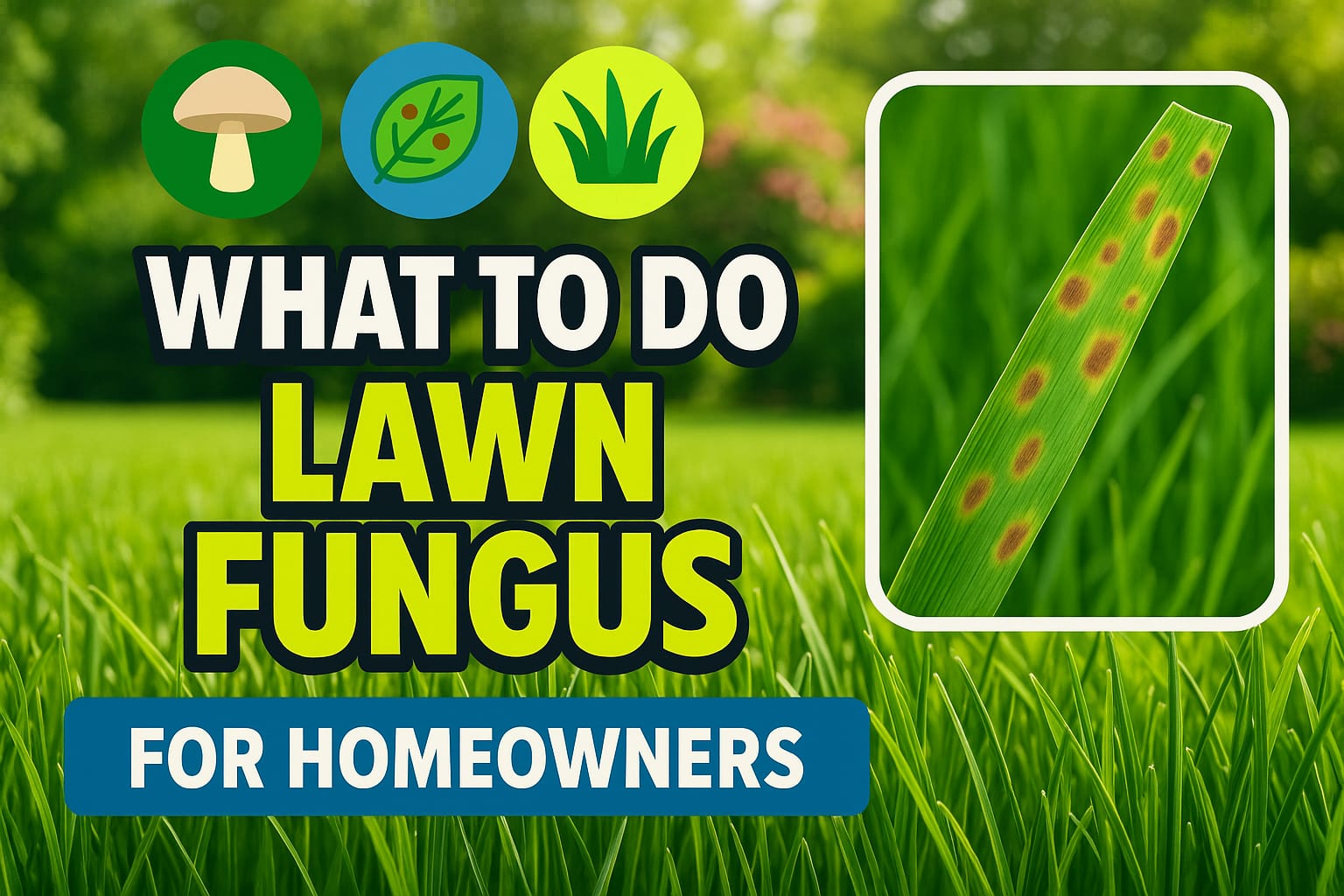
Discover effective methods for identifying and managing lawn fungus in your yard. This comprehensive guide covers types, symptoms, causes, prevention strategies, and treatment solutions to ensure your grass remains healthy and thriving.
Quick Answer
To manage lawn fungus, first identify the type and its symptoms. Then, apply treatments like baking soda or commercial fungicides. Adjust your lawn care practices as needed.
Understanding Lawn Fungus: Types, Symptoms, and Identification
If you're wondering what to do about lawn fungus, it's important to know that lawn fungus is a common issue that many homeowners encounter. Recognizing the early signs is crucial for maintaining healthy grass and preventing further damage. For specific symptoms related to discoloration, refer to Why Is My Lawn Turning Yellow in Spots? (A Step-by-Step Diagnosis Guide). Let’s explore some common types of lawn fungus and how to identify their symptoms.
Common Types of Lawn Fungus
- Brown Patch: This typically appears as circular patches of brown grass, often found in the summer months.
- Red Thread: Characterized by thin, red strands on the grass blades, it's particularly common in late spring and early summer.
- Dollar Spot: This fungus manifests as small, round patches of light brown grass, usually measuring about 2 to 6 inches in diameter.
Identifying Symptoms
Common symptoms to look for include:
- Discoloration of grass (yellow, brown, or red hues).
- Irregular patches that can easily be noticed.
- Changes in texture, such as grass blades feeling slimy or producing spores.
Causes of Lawn Fungus and Risk Factors
Understanding what to do about lawn fungus and its causes can help you take preventive measures. Environmental conditions and cultural practices play significant roles.
Environmental Conditions
Favorable conditions like:
- Moisture Levels: High moisture can foster growth, especially after rainfall or overwatering.
- Humidity: High humidity provides an ideal environment for fungal spores.
- Temperature: Warm temperatures typically promote fungal activity.
Cultural Practices that Contribute
Improper lawn care practices can escalate the risk of fungus, including: For more on proper lawn care practices, see Best Lawn Care Routine for Busy Homeowners With No Experience.
- Overwatering leads to soggy soil.
- Cutting grass too short can stress the plants.
- Lack of aeration prevents oxygen from reaching the root zone.
Effective Prevention Strategies Against Lawn Fungus
When considering what to do about lawn fungus, the best defense is prevention. Here are effective strategies to keep your grass healthy:
Maintaining Optimal Lawn Conditions
Follow these tips:
- Watering: Water your lawn deeply but infrequently to encourage deep root growth.
- Fertilization: Use a balanced fertilizer to promote healthy grass growth without excessive nitrogen, which can lead to fungal issues.
Regular Maintenance Practices
Regular maintenance is key in preventing fungal growth:
- Aeration: This helps improve water and nutrient flow in the soil.
- Dethatching: Removing excess thatch allows grass to breathe better and reduces humidity near the soil surface.
DIY Treatment Solutions for Common Lawn Fungi
If you're looking for what to do about lawn fungus, there are both natural remedies and commercial products available for treatment.
Natural Remedies
Consider the following eco-friendly options:
- Baking Soda Spray: Mix a tablespoon of baking soda with a quart of water and spray on affected areas.
- Vinegar Spray: Dilute one part vinegar with three parts water and apply to spots to deter fungus.
Commercial Products
There are several fungicides available for effective treatment, including options like BioAdvanced Disease Control, which can help manage various types of lawn fungus.
- Organic Fungicides: Look for products that use natural ingredients to combat fungal issues.
- Synthetic Fungicides: These are powerful options for severe infestations but should be used with care according to label instructions.
When to Call a Professional: Signs You Need Help
In some cases, if you're unsure what to do about lawn fungus, DIY methods may not suffice. It’s essential to recognize when to call in professionals.
Identifying Severe Infestations
If you see large areas of dead grass, persistent symptoms, or rapid spread, it may be time to seek help.
Choosing the Right Lawn Care Service
When searching for a lawn care service, look for those that prioritize:
Focus on sustainable practices and experienced professionals.
- Sustainable practices to protect the environment.
- Experienced professionals who can tailor treatments to your specific issues.
Frequently Asked Questions
What are the best ways to prevent lawn fungus?
The best prevention methods include proper watering, maintaining appropriate mowing height, and regularly aerating and dethatching your lawn.
How can I identify lawn fungus?
Look for symptoms like discoloration, irregular patches, and changes in texture on the grass blades. Common signs include circular brown patches or thin red strands.
Can lawn fungus harm my grass permanently?
While lawn fungus can cause temporary damage, if treated properly and promptly, most grass types can recover and remain healthy.
Are there natural remedies to treat lawn fungus?
Yes, baking soda and vinegar sprays are popular natural remedies that can help manage fungal growth without harmful chemicals.
When should I use a commercial fungicide?
Use a commercial fungicide when DIY treatments are ineffective, or if you have a severe infestation that requires immediate attention.
How often should I mow my lawn to prevent fungus?
Mowing every 1-2 weeks helps maintain grass health and prevents fungal growth, ensuring the grass is not cut too short.
What time of year is lawn fungus most likely to occur?
Lawn fungus is commonly seen in warm and humid months, particularly in summer during high moisture and heat.
How can I choose a professional lawn care service?
Choose services with good reviews that focus on sustainable practices and have lawn care certifications.
Tags: what to do about lawn fungus, lawn fungus treatment, fungus symptoms, lawn care tips, lawn disease, fungicide options