Grass Pulls Up Like Carpet? Check for Grubs
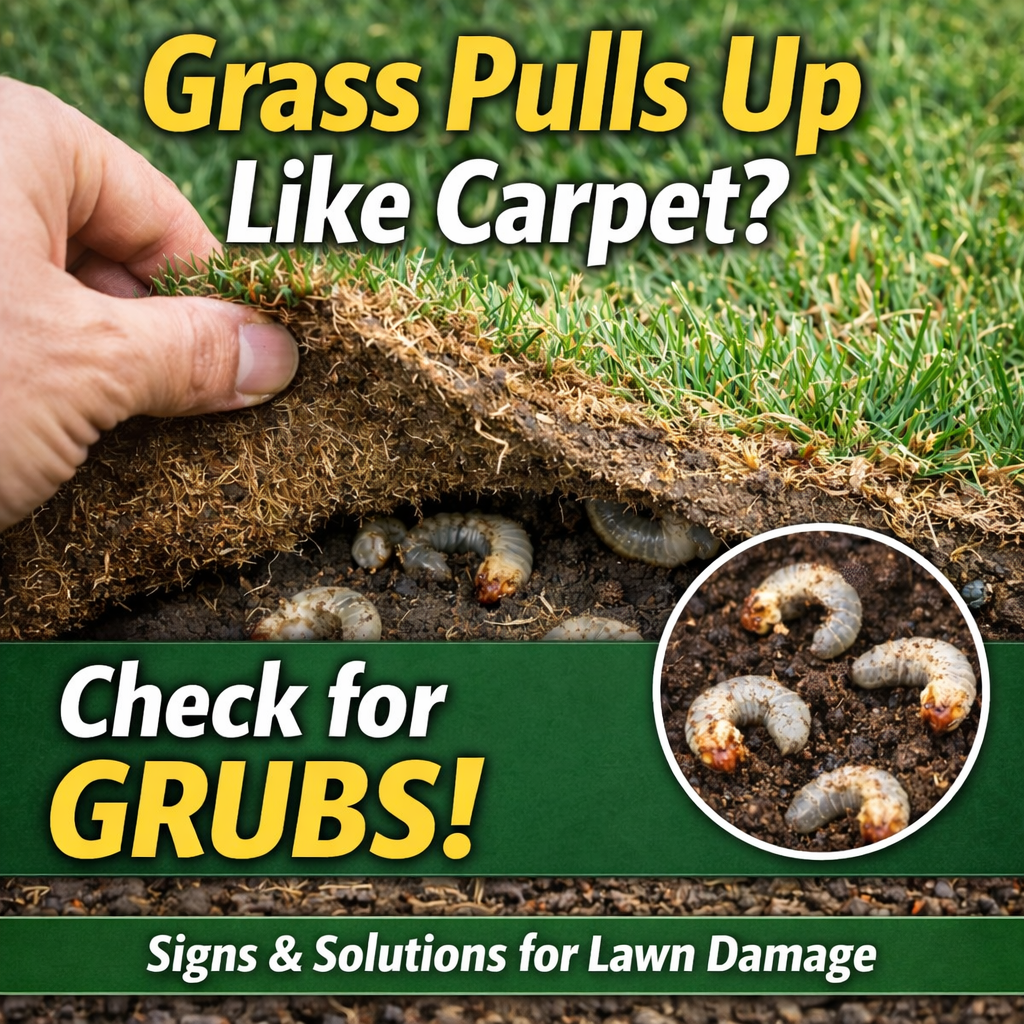
Discover the reasons why your lawn's grass may pull up like carpet, the signs of grub infestation, and effective treatment options. Learn how to maintain a healthy lawn and prevent future issues with our comprehensive guide.
Introduction: Understanding Why Grass Pulls Up Like Carpet
When you walk on your lawn and notice that the grass pulls up like carpet, it can be alarming. This phenomenon is often a sign of underlying lawn problems that need to be addressed. Homeowners often wonder what causes this unusual phenomenon and if their grass is healthy. Understanding the symptoms leading to this concern, especially when grass pulls up like carpet, is essential for effective lawn care.
Common Lawn Issues That Raise Concerns
Several factors can cause a lawn to behave this way. Homeowners often first notice:
- Spongy Feel. The grass feels soft and bouncy underfoot.
- Discoloration. Areas may turn yellow or brown.
- Wilting. The grass appears limp and unhealthy.
Why Grass Might Pull Up Like Carpet
One of the primary culprits behind these symptoms is a pest known as the grub. These larvae of beetles feed on the roots of your grass, leading to significant damage. Homeowners must understand grubs and their impact on lawn health.
Identifying Grubs: Key Signs of Infestation and Grass Pulls Up Like Carpet
Key Signs of Grub Infestation
If you're suspicious about grubs and the grass pulls up like carpet, there are clear signs to look for. You may notice these signs of pests:
- Easy Pulling. Grass that effortlessly lifts from the soil.
- Discoloration. Brown patches appearing scattered throughout the lawn.
- Animal Activity. Increased foraging from birds or raccoons.
How Spongy Grass Indicates a Problem
A healthy lawn, where the grass does not pull up like carpet, has firm roots anchoring it in place. If the grass feels spongy, it could suggest a weak root system caused by grub activity. Regular inspections are essential in identifying these issues early, particularly when grass pulls up like carpet.
The Grub Life Cycle: Understanding the Pest
Stages of Grub Development
Grubs go through distinct stages in their life cycle, from egg to adult beetle:
- Eggs. Laid in the soil during summer.
- Larvae. The grub stage, feeding on grass roots.
- Pupa. Transitioning before becoming adults.
- Adults. Emerging beetles that will lay more eggs.
Seasonal Timing and Lawn Vulnerability
Grubs are most vulnerable in early spring and late summer. Check your lawn during these times. Knowing when to be on the lookout for signs that grass pulls up like carpet can save your lawn from severe damage.
Is Your Lawn in Danger? Recognizing Symptoms of Severe Grub Infestation
Physical Damage to Grass
Severe grub infestations can lead to visible physical damage, including:
- Bare Patches. Areas of grass completely dead.
- Root Loss. Roots that have been decimated by feeding.
- Overall Deterioration. A decline in lawn quality and appearance.
The Impact on Overall Lawn Health
Not only does a severe infestation affect aesthetics, but it also impacts the overall vitality of your lawn. Neglecting these lawn problems, such as when grass pulls up like carpet, can lead to long-term consequences that may take years to remediate.
How to Check for Grubs: A Step-by-Step Guide to Protecting Your Lawn
Visual Inspection Techniques
Performing a visual inspection of your lawn can highlight potential grub problems, especially if the grass pulls up like carpet. Follow these steps:
- Look for Health Signs. Start by checking for discoloration or wilting grass.
- Lift a Patch. Gently pull up a section of grass to see if the roots are compromised.
- Check for Soil Movement. Soft, pliable soil can indicate infestation.
Conducting Soil Tests
If you suspect grubs, especially when your grass pulls up like carpet, it may be helpful to do a soil test. Follow these steps:
- Collect Samples. Use a trowel to take small samples from multiple areas.
- Inspect for Grubs. Look for visible larvae in the soil samples.
Treatment Options: Effective Solutions for Curing Grubs and Reviving Your Lawn
Organic Treatment Options
If you prefer natural methods, try these organic treatments:
- Nematodes. Beneficial nematodes can parasitize grubs.
- Bacillus thuringiensis (Bt). A natural bacterium effective against larvae.
- Diatomaceous Earth. A natural powder that can deter grubs.
Chemical Solutions for Grubs
For more immediate results, chemical treatments are available:
- Insecticides. Targeted chemicals that eliminate grubs effectively.
- Granular Treatments. Easy to apply across the lawn.
Preventive Strategies: Best Practices to Keep Your Lawn Healthy and Grub-Free
Best Practices for Lawn Care
Maintaining a healthy lawn is essential to prevent grubs from becoming a problem that leads to grass pulling up like carpet. Consider these best practices:
- Soil Health. Test and amend soil for optimal nutrition.
- Proper Watering. Ensure your lawn is adequately hydrated without overwatering.
- Fertilization. Regular feeding supports strong root systems.
Long-Term Prevention of Grub Infestations
To keep your lawn unfriendly to grubs, use these preventive techniques:
- Regular Inspections. Monitor lawn health consistently.
- Healthy Practices. Encourage biodiversity and beneficial insects.
- Timing of Treatments. Apply treatments when grubs are most vulnerable.
Conclusion: How to Protect Your Lawn from Future Grub Infestations
Recap of Key Points
In conclusion, understanding the reasons for grass pulling up like carpet and addressing lawn problems is vital in maintaining a healthy lawn. Regular inspections, treatment options, and diligent lawn care practices will safeguard your green space.
Encouragement to Stay Vigilant
Homeowners should stay vigilant against lawn pests. Early action is the key to preserving the beauty and vitality of your lawn. Share this knowledge with fellow lawn enthusiasts and take proactive steps today!

Tags: grass pulls up like carpet, lawn care, lawn problems