Grubs or Fungus? How to Tell the Difference
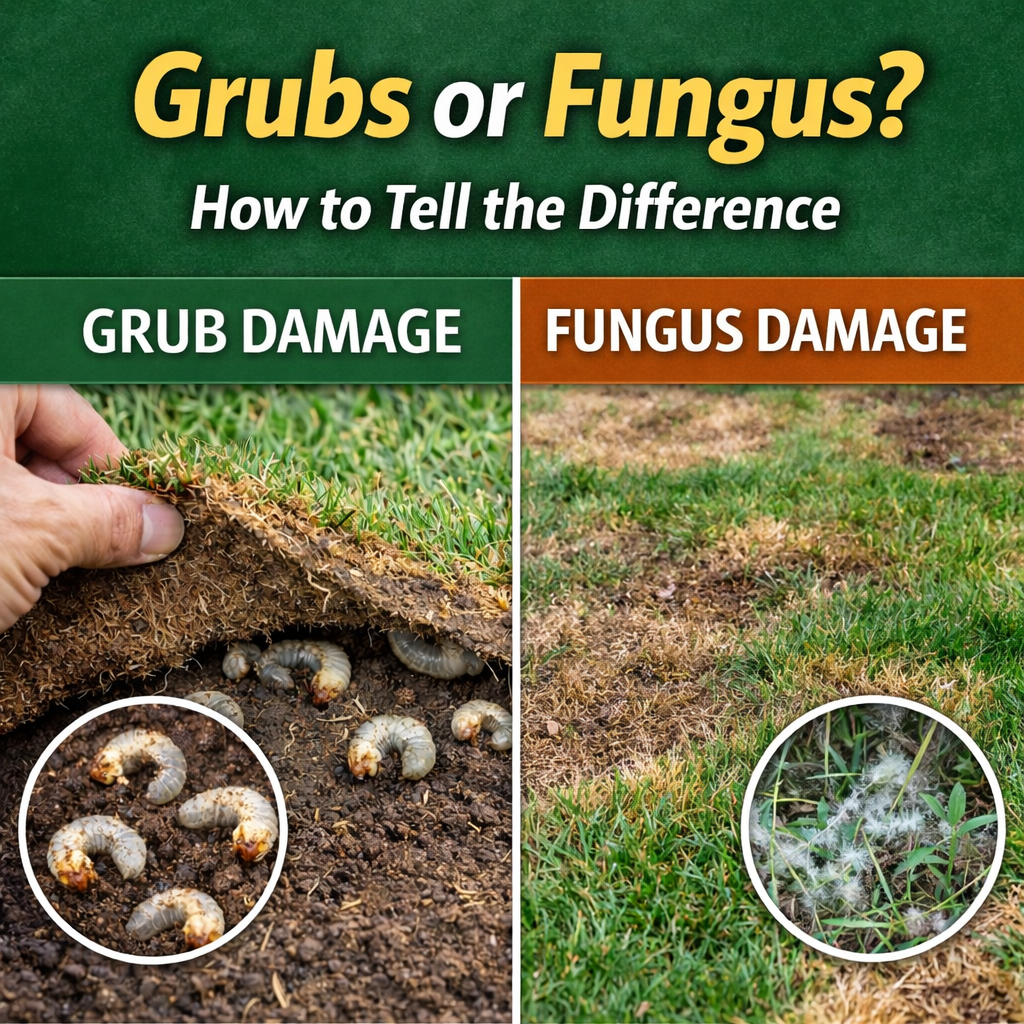
Learn how to identify and treat lawn issues caused by grubs or fungus. This guide covers symptoms, visual identification, treatment options, and preventive measures to maintain a lush lawn.
Introduction: Importance of Identifying Lawn Issues
A healthy lawn is essential for homeowners. A well-maintained lawn not only enhances your property's curb appeal but also adds value to your home, making it essential to identify lawn issues like grubs or fungus early. One of the significant threats to lawn health comes from grubs or fungus, both of which can cause severe damage if not addressed promptly.
Understanding how to differentiate between grubs or fungus is vital for preserving your lawn's vitality and overall lawn health. This blog aims to empower homeowners to recognize and combat these lawn issues effectively while fostering a more beautiful yard.
Why Lawn Health Matters
A thriving lawn serves many purposes, from hosting family gatherings to enhancing neighborhood beauty. Maintaining a lush lawn is a direct reflection of your home’s upkeep, ultimately boosting its market value.
The Impact of Grubs and Fungus on Lawn Quality
Both grubs or fungus can wreak havoc on your turf and severely impact your lawn health. Grubs, the larvae of various beetles, feed on grassroots, leading to patches of brown and dying grass. On the other hand, fungal infections can cause discoloration and unsightly growth patterns, affecting how your lawn looks and feels. Identifying the issue is crucial for applying the right treatment.
Symptoms of Grubs or Fungus: How to Identify Lawn Issues
Recognizing the symptoms of grubs or fungus can help you take the necessary steps towards rectifying the damage in your lawn and identifying lawn issues effectively.
Signs of Grub Infestation
Look for these signs of grub invasion:
- Brown Patches: Areas where grass turns brown and wilts are common indicators of grub activity.
- Loose Sod: If sections of your lawn can be easily lifted, grubs might be devouring the roots below.
- Poor Growth: Areas of grass becoming sparse are signs of an unhealthy lawn due to root decay.
- Pest Activity: Look for increased activity from larger predators like birds or raccoons, which are often drawn to feed on grubs.
Symptoms of Fungal Infections
Fungal infections, much like grubs, can present multiple symptoms that affect your lawn health:
- Discoloration: Grass turning yellow, brown, or appearing dull may indicate a fungal challenge.
- Spots: Circular or patchy spots, often with darker edges, can suggest a fungal blight.
- Unusual Growth Patterns: Growth that appears too fast or out of place might be linked to fungal infections.
- White Mold: White or gray mold appearing on grass blades forms a clear indicator of a fungus.
Note the timing and location of these symptoms for better diagnosis.
Visual Identification Guide
Properly identifying grubs and fungus can transform your lawn care.
Identifying Grubs in Your Lawn
Identifying grubs can be tricky without knowing what to look for. To spot them:
- Check the soil when digging up brown patches. Adult grubs typically lie beneath the surface and have a 'C' shape.
- Look for grubs that are about 1 inch long, white or light tan, with a brown head and plump body.
- Note that they are generally found about 2-3 inches below the lawn surface.
Recognizing Fungal Growth Types
Identifying the type of fungus affecting your lawn can be done by examining these characteristics:
- Powdery Mildew: Look for a white, powdery substance on grass blades.
- Dollar Spot: Small, tan patches that resemble coins on the lawn indicate this common fungus.
- Brown Patch: Dense rings of dead grass might suggest an issue with overwatering or high humidity.
To assess your lawn effectively, examine affected areas more closely for signs of pests or fungal growth.
Diagnostic Methods for Lawn Health
Pinpointing lawn health issues involves a systematic approach for accurate diagnosis.
Conducting a Visual Inspection
To conduct a visual inspection of your lawn for signs of grubs or fungus:
- Walk through your lawn and take notes on suspicious areas.
- Look closely at the soil and grass blades for any telltale signs of grubs or fungus.
- Check for softness in the soil, which can help identify grub damage.
- Compare different areas of your lawn, looking for patterns, such as patches with consistent symptoms.
Testing Soil and Lawn Samples
If your inspection raises questions, consider soil testing:
- Purchase a lawn soil test kit that can assess pH levels and nutrient balance.
- Follow the kit instructions carefully, taking samples from multiple areas of your lawn for an accurate reading.
- Send samples to local agricultural extensions or soil laboratories for more in-depth analysis.
If problems persist despite your efforts, it may be time to seek professional input from a certified lawn care specialist.
Treatment Solutions for Grubs
After confirming a grub infestation, multiple treatment options can restore your lawn.
Chemical Treatments
Chemical treatments provide quick results. Consider these solutions:
- Insecticides: Look for products containing imidacloprid or chlorantraniliprole. Follow label instructions for optimal results.
- Granular Applications: Apply these products in late summer to early fall to target grubs before they mature.
- Watering: After application, ensure to water your lawn thoroughly to activate the product.
Organic Solutions
For eco-friendly treatments, consider:
- Beneficial Nematodes: These microscopic worms target and feed on grubs; you can apply them by mixing with water and spraying.
- Naturally Derived Repellents: Products made from diatomaceous earth can deter grubs when applied to your lawn.
- Timing: Apply organic solutions in early summer when grubs are still small and vulnerable.
Effective Treatment Solutions for Grubs or Fungus
Treating fungal infections early can save your lawn from damage.
Chemical Fungicides
Chemical treatments can be effective when used appropriately:
- Contact Fungicides: These need to come into direct contact with the fungal spores; typically, they control surface molds.
- Systemic Fungicides: More effective for internal infections as they are absorbed by grass plants to control fungi from within.
- Application Methods: Properly apply fungicides during dry weather to prevent wash-off.
Cultural Control Methods
Preventative practices are vital for managing fungal health:
- Proper Watering: Avoid overwatering. Water early in the day to reduce humidity around the grass.
- Regular Mowing: Keeping grass at an optimal height allows for better air circulation.
- Fertilization: Adequate nutrition, especially nitrogen, supports grass health while making it less susceptible to fungus.
Always proceed with caution when using chemicals, and follow safety guidelines to ensure the proper handling and application of these products.
Preventative Lawn Care Practices to Combat Grubs or Fungus
Proactive lawn care helps prevent problems with grubs and fungus.
Proper Lawn Maintenance
A regular maintenance schedule significantly improves lawn health:
- Mowing: Mow regularly to establish a thick, healthy turf that can better withstand pests and diseases.
- Aeration: Aerating your lawn allows oxygen, water, and nutrients to reach the roots effectively.
- Fertilization: Periodically feed your lawn with balanced fertilizers that cater to its specific needs.
Knowing the Right Time to Treat
Timing is everything in lawn care:
- Seasonal Changes: Pay attention to seasonal shifts that can indicate the right time to apply treatments.
- Monitoring Lawn Health: Regularly check your lawn for signs of trouble and act quickly to investigate. Visit the USDA Natural Resources Conservation Service for more lawn care resources.
Conclusion: Maintaining Lawn Health Year-Round
By understanding and implementing the advice outlined in this blog, homeowners can maintain lawn health effectively throughout the year.
Regular Monitoring and Maintenance
Being vigilant about your lawn helps you spot issues early. The more informed you become, the better equipped you’ll be to tackle problems.
Resources for Ongoing Lawn Care
For more education and assistance, consider these resources:
- Local extension services provide educational resources specific to your area.
- Lawn care seminars often offer free advice and workshops for homeowners.
- Online forums and communities can provide peer advice and shared experiences with grubs or fungus.
Taking action when identifying lawn issues like grubs or fungus and employing the right treatment solutions will lead you to a healthier, more vibrant lawn.
FAQ Section
Common Questions About Grubs
Grubs can seem daunting, but knowing more makes them simpler. Here are a few frequently asked questions:
- What are the signs of grub infestation? Look for brown patches, loose sod, and increased activity from birds or wildlife.
- How can I effectively treat grubs? Chemical insecticides and organic solutions are both viable treatments, depending on your preference.
Fungal Infection Concerns
Fungus is another common concern for homeowners. Here’s what you should know:
- What type of fungicide should I use? Choose a systemic fungicide for deep infections or a contact fungicide for surface issues.
- Are fungicides safe for pets? Always check the product label for safety guidelines and consider keeping pets off treated areas until fully dry.
Feel free to share your questions or insights in the comments below!
Troubleshooting Tips
Identifying Uncommon Symptoms
Less common symptoms like wilting or yellowing may indicate deeper issues.
- Soil Quality: Assess your soil for compaction or nutrient imbalance, as these can contribute to your lawn’s overall health.
- Pest Activity: Check for other harmful insects that might exacerbate existing problems, such as aphids or chinch bugs.
What to Do if Treatments Fail
Sometimes initial treatments don’t fully resolve the issue. Here’s what to do if you find yourself in this situation:
- Re-assess Symptoms: Take a step back and reassess the symptoms. Are there additional signs that you might have missed?
- Soil Testing: Don’t hesitate to test your soil again, as the imbalance might be disguised by symptoms.
- Consult Professionals: If your efforts continue to fail, consider consulting with a professional lawn care specialist.
Lawn care is an ongoing journey, but understanding the differences between grubs or fungus and their treatment options will leave you on the right path for a healthier lawn.
Tags: grubs or fungus, lawn health, identify lawn issues