Lawn Weed Identification: How to Identify Common Weeds in Your Yard
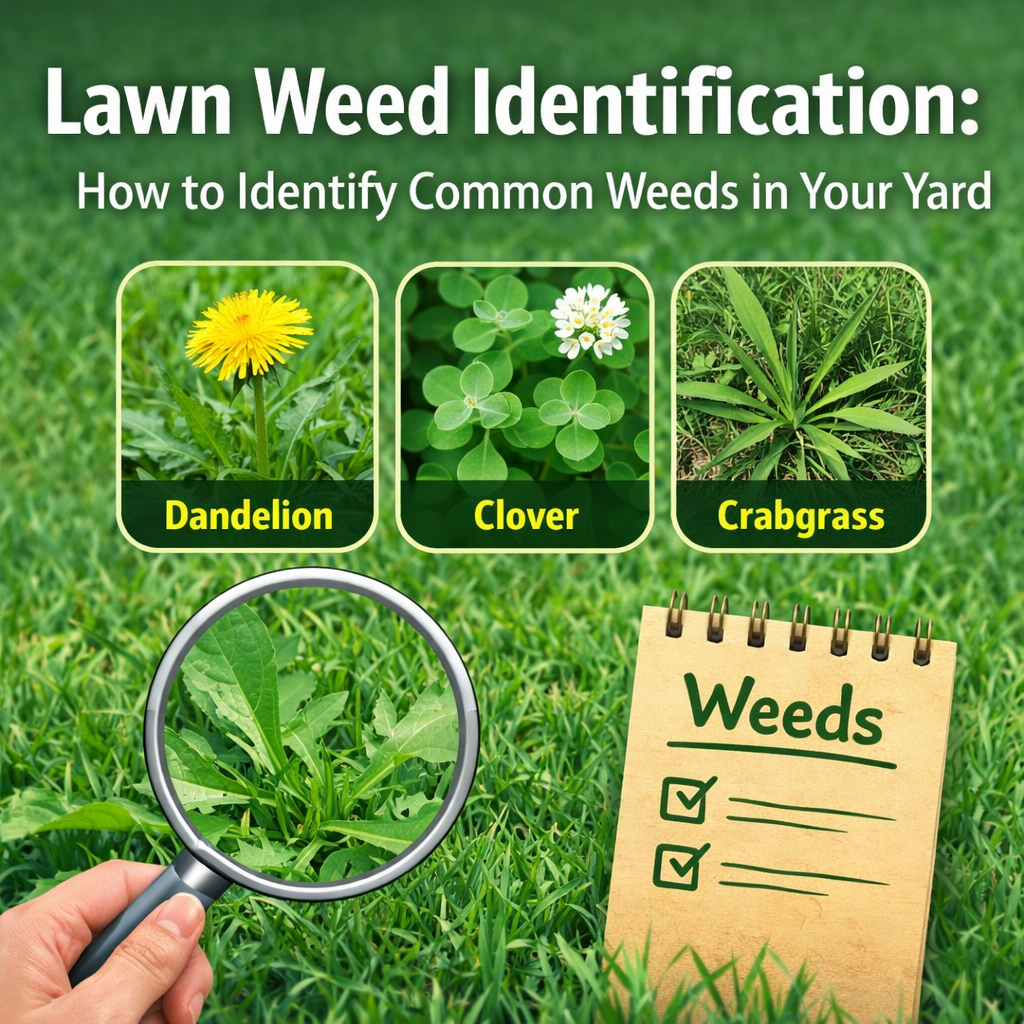
Lawn weed identification is crucial for maintaining a healthy, beautiful yard. This comprehensive guide explores common lawn weeds, their characteristics, and effective management strategies, ensuring your lawn stays vibrant all season long.
Introduction to Lawn Weed Identification
Understanding lawn weed identification is essential for any homeowner seeking a lush, green landscape and effective lawn care tips. Lawn weeds grow in unwanted areas and compete with grass for nutrients and water. This blog post explores common lawn weeds, their impact on your garden, and how to identify them.
Defining Lawn Weeds
Lawn weeds can be classified as any undesirable plant that disrupts the aesthetic or health of your grass. These plants can be annuals or perennials and may take over your lawn if you ignore them. Understanding what constitutes a weed is the first step in effective lawn weed identification and managing common lawn weeds.
The Importance of Lawn Weeds in Ecosystems
Many people see lawn weeds as pests, but they play an important role in ecosystems. Weeds can attract beneficial insects and help with soil health. However, it is crucial to balance their benefits against their potential to harm your lawn's appearance and health.

The Importance of Lawn Weed Identification
Effective lawn weed identification enables homeowners to maintain a healthy lawn by addressing problem areas promptly, ensuring they can manage common lawn weeds effectively. Failing to identify and manage weeds can lead to significant issues in your garden.
Impact on Lawn Health
Weeds, identified through lawn weed identification, typically compete with grass for essential resources, including sunlight, water, and nutrients. This competition can lead to a poor-quality lawn that is more susceptible to diseases and pests. Ultimately, if left unchecked, these weeds can dominate your lawn, as discussed in our article on why some spots may be green while others are brown, preventing your grass from thriving.
Cost and Effort of Weeding
Neglecting weed identification can be costly in the long run, especially if you are not aware of what's wrong with your lawn. Read about the economic impact of weeds from Purdue Extension Weeds, if allowed to proliferate, can increase the amount of time and money you’ll need to spend on lawn care. Knowing how to identify weeds early can save you valuable resources and keep your lawn healthy.
Key Characteristics for Lawn Weed Identification
Recognizing the physical traits and growth patterns of common lawn weeds is essential for effective lawn weed identification. This knowledge will help you distinguish between weeds and desirable plants.
Physical Traits to Observe
When identifying lawn weeds, pay attention to:
- Leaf Shape. Different weeds have unique leaf shapes and sizes, which can serve as indicators.
- Color. Some weeds may have vibrant colors, while others could be dull or shade variations.
- Root System. Understanding whether a weed has taproots, fibrous roots, or spreading roots can aid identification.
Growth Patterns and Flowering Stages
Weeds show different growth habits, like clumping or spreading. Additionally, flowering stages can provide clues on their identity:
- Growth Habit. Do they grow upright, or do they spread horizontally?
- Flowering. What type of flowers do they produce, and when do they bloom?
- Seed Production. Are they prolific seed producers? Understanding this can help prevent further infestations.
Growth Habit-Based Lawn Weed Identification
Weeds fall into three categories based on their growth habits: broadleaf, grassy, and sedge weeds. Each type has specific identifying features.
Broadleaf Weeds
Broadleaf weeds tend to have wide, flat leaves and often possess flowers. Some common examples include:
- Dandelions. Characterized by their bright yellow flowers and serrated leaves.
- Clover. Recognizable by its trifoliate leaves and small white or pink flowers.
- Plantain. Known for its broad leaves and tall flower spikes.
Grassy Weeds
Grassy weeds often resemble turf grass and typically have narrow leaves. Common instances include:
- Crabgrass. A fast-growing annual with wide leaves that can easily choke out desirable grass.
- Foxtail. Recognized by its bushy seed head and varying leaf textures.
- Orchard Grass. A clumping perennial grass known for its rapid growth.
Sedge Weeds
Sedges may be confused with grass but have distinctive triangular stems. Common types include:
- Nutsedge. Recognized for its dark green color and rapid growth.
- Yellow Nutsedge. Has a distinct yellow tint to its leaves.
Seasonal Considerations for Lawn Weed Identification
The life cycle of weeds is often influenced by the seasons. Proper headway begins with understanding how different weeds behave across growing seasons.
Understanding Winter Weeds
Winter weeds typically germinate in the fall and sprout in early spring. Examples include:
- Henbit. Notable for its purple flowers and sprawling nature.
- Chickweed. Recognized by its small white flowers and dense growth pattern.
Identifying Summer Weeds
Summer annuals and perennials grow actively during the warmer months. Notable ones include:
- Crabgrass. A notorious summer weed that outcompetes grass.
- Bindweed. An aggressive perennial vine that can overtake lawns.
Essential Tools and Techniques for Lawn Weed Identification
Identification tools and techniques are crucial for effective weed management is crucial, as outlined in our guide on why lawns may turn yellow in spots. Here, we explore various resources and strategies.
Manual Identification Strategies
Utilizing field guides is a great starting point. Access the Integrated Pest Management (IPM) weed management guide from UC Agriculture and Natural Resources Consider these techniques:
- Use Guides. Field guides specific to your region can help you learn about local weeds.
- Checklists. Create and use checklists for your specific area to narrow down possibilities.
Digital Resources and Apps
In the digital age, several apps can aid in plant identification:
- PlantSnap. A popular app that identifies plants using photos you take.
- iNaturalist. This app allows you to upload photos and collaborate with a community for identification.
Keep a weed journal and take photos to track changes and improvements over time.
Effective Strategies for Lawn Weed Management
Once you've completed lawn weed identification, it's vital to adopt suitable management strategies to control common lawn weeds.
Cultural Control Methods
Cultural controls are practices that enhance grass health:
- Healthy Lawn Practices. Mowing, watering, and fertilizing appropriately to create a robust ecosystem where grasses can outcompete weeds.
- Soil Aeration. Promotes deep root growth, allowing grass to access water and nutrients better.
Chemical Control Methods
If cultural methods fall short, chemical interventions may be necessary, but it’s important to know how to differentiate between grubs and fungus that may also affect lawn health.:
- Selecting Herbicides. Choose selective herbicides that target specific weed types without harming your grass.
- Application Timing. Apply chemicals during active growth stages of the weeds for maximum effectiveness.
Integrated Pest Management (IPM)
IPM strategies minimize environmental harm while effectively managing weed populations:
- Monitoring. Regularly check your lawn for new weed growth and take action before they multiply.
- Combination Approaches. Use cultural, digital, and chemical methods in unison to achieve optimal results.
Common Mistakes in Lawn Weed Management to Avoid
Avoiding common pitfalls is crucial for effective lawn care. Here are a few mistakes to steer clear of:
Ignoring Early Signs of Weeds
One of the biggest errors homeowners make is overlooking early signs of weed growth, which can also be indicative of whether your lawn is dead or dormant. Early intervention is critical. Recognizing weeds before they establish can save you potential headaches later on.
Over-reliance on Chemical Solutions
While chemical herbicides can be effective, relying on them alone can lead to issues such as chemical resistance in weeds. Consider balancing chemical solutions with organic methods and practices tailored to your lawn's specific needs.
Expert Tips for Effective Lawn Weed Identification and Management
Learning from experts in lawn weed identification and lawn care can provide valuable insights. We’ve gathered several pro tips to enhance your weed management efforts.
Advice from Lawn Care Professionals
Experts recommend being proactive with your lawn care schedule:
- Timing is Key. Schedule weed management during the active growth periods of specific weeds.
- DIY vs. Professional Help. Assess when it may be beneficial to hire professionals; certain weed infestations may exceed the average homeowner's capability to manage effectively.
Best Practices from Experienced Gardeners
Here are some best practices to follow:
- Maintenance. Consistently mow and maintain your lawn, focusing on tall grass to crowd out weeds.
- Soil Testing. Conduct regular tests to understand what nutrients your lawn is lacking for optimal growth.
Conclusion on Lawn Weed Identification and Resources
This comprehensive guide should provide you with a solid foundation in lawn weed identification, common lawn weeds, and effective management strategies. Remember, timely and effective identification is crucial to maintaining a healthy lawn.
Recap of Key Insights
Through understanding common lawn weeds and employing effective identification techniques, you can protect and nourish your lawn. Remember to balance chemical and cultural methods for the best results.
Recommended Further Reading and Resources
For those interested in further exploring lawn care, consider the following authoritative sources:
Taking actionable steps in managing your lawn care will yield the best results over time.
Frequently Asked Questions on Lawn Weed Identification
Homeowners often have questions about weed identification and management. Here, we provide answers to some of the most common inquiries.
Frequently Asked Questions on Lawn Weeds
Knowledge is key. Here are some frequently asked questions:
- What are some common identification techniques? Look for distinct leaf shapes, growth habits, and flowering characteristics.
- How do I manage weeds effectively? Combine cultural practices with selective herbicides, and consider IPM methods.
Additional Tips and Tricks
Here are a few bonus tips to maintain a weed-free lawn:
- Mulching. Use mulch in garden beds to suppress weed growth.
- Regular Maintenance. Consistent mowing and soil care will promote grass health.
Tags: lawn weed identification, common lawn weeds, lawn care tips